✦The Sourcing Brief spotlight to 218k+ subscribers
Diversity in Fashion: Building Inclusive Brands
Everyone wears clothes, regardless of age, gender, size, ability, or race, and we all deserve to feel seen and represented in the world. While we don’t all look like supermodels Tyra Banks or Noah Mills, we are all beautiful; seeing people who look like us modeling clothes we want to wear makes a significant difference in how we connect with brands.
Diversity in fashion refers to authentic representation of race, body size, age, gender identity, and ability across marketing, design, and hiring practices.
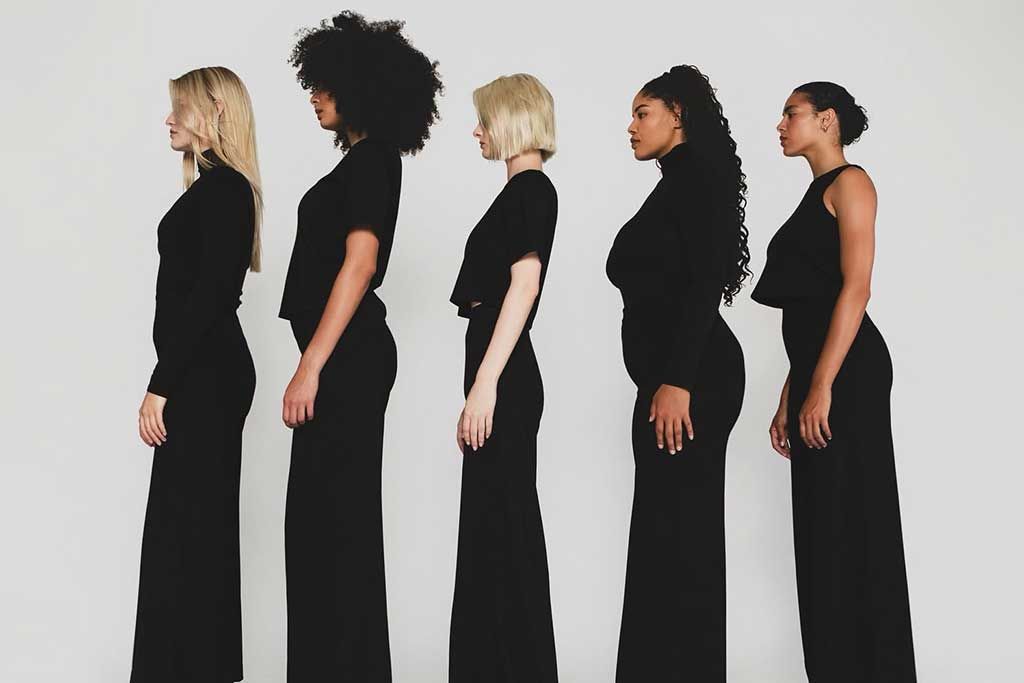
The fashion industry is increasingly embracing diversity, equity, and inclusion (DEI) across multiple areas. Inclusive sizing allows brands to cater to even wider demographics, while body positive marketing helps people of all sizes and body types find clothes that make them look and feel confident. Adaptive clothing is becoming more mainstream, offering stylish options that are easier to put on, take off, and wear for people with disabilities.
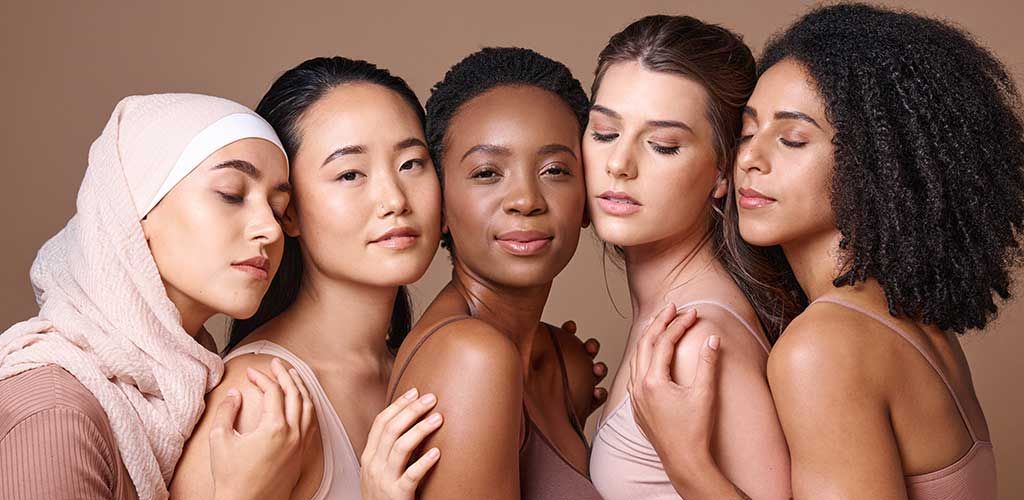
Representation In Fashion Marketing
Fashion marketing has transformed dramatically with social media. Brands now balance traditional advertising with user generated content and influencer collaborations to increase brand recognition and drive sales. Inclusion in marketing campaigns feature models from diverse backgrounds, with different body types, of varying ages and abilities.
Showing people of many ethnicities, sizes, ages, and with needed medical devices in photo shoots and on the runway allows brands to better represent their customer base. This authentic representation creates a stronger emotional connection between consumers and brands. According to the World Health Organization, over 1.3 billion people globally, equivalent to nearly 16% of the population, live with a significant form of disability, a customer base most fashion brands still design around rather than for. This authentic representation creates a stronger emotional connection between consumers and brands.
Each brand must curate its unique identity by formulating a compelling narrative that your customers will identify with and become emotionally attached to. Purposefully weaving diversity and inclusion into your brand identity and maintaining consistency across all touchpoints builds customer loyalty by making your products and services more recognizable, and differentiates your brand from your competitors.
Embracing DEI in marketing strategies fosters greater brand loyalty, positive brand image, and increased sales. Supporting changing societal norms and consumer expectations resonates strongly with younger consumers. According to Mintel, a whopping 41% of Gen Z buyers actively favor brands that represent their identity and values.
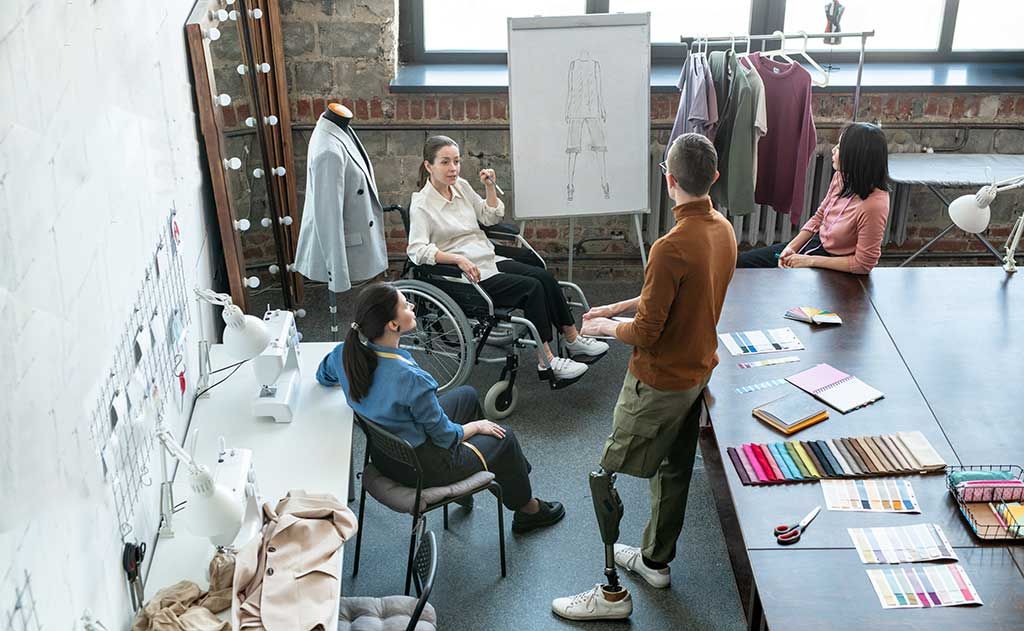
Diversity in Fashion Design and Product Development
Fashion designers naturally express themselves through their creations, often drawing inspiration from their cultural backgrounds. Creating garments based on traditional elements or cultural motifs can powerfully showcase diversity and inclusivity within a product range. However, designers must carefully avoid cultural appropriation while celebrating authentic cultural heritage.
Designing for a specific target audience remains crucial for brand success. Niche marketing helps make your businesses stand out by identifying underserved customer segments. Many underrepresented populations can become loyal customers when brands meet their specific needs.
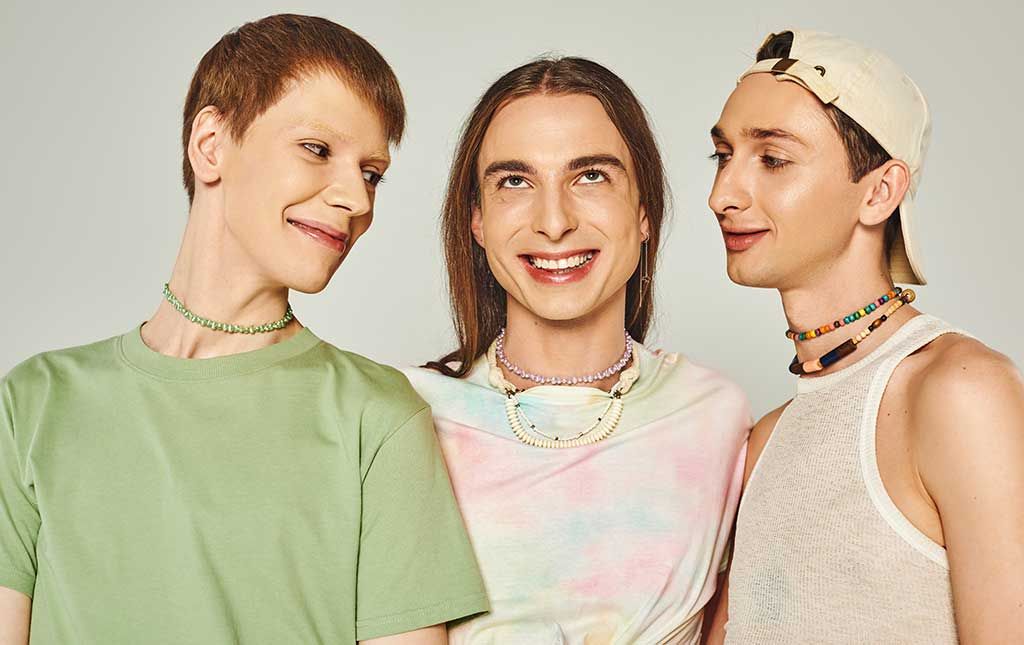
The LGBTQIA+ community represents a significant market opportunity, as many individuals struggle to find work attire that represents their gender expression authentically. Similarly, the neurodivergent community often faces challenges finding appropriate clothing options. Many people with autism spectrum disorder can have sensory sensitivities and prefer extremely soft fabrics without tags or rough textures.
Diverse Hiring in Fashion: Building Inclusive Teams
One of the most effective ways to understand diversity and inclusion is proactively hiring talented people from various cultural and racial backgrounds, representing all genders, sizes, ages, and abilities. Having team members with personal knowledge of what non-binary customers find comfortable or understanding that plus-sized consumers often want to flatter their figure rather than hide them makes companies stronger and more responsive to customer needs.
Diverse hiring practices in design, marketing, and production teams brings an authentic perspective that improves product development and customer connection. This insider understanding helps brands avoid missteps while creating genuinely inclusive experiences.
The Business Case for Fashion Diversity
Implementing diversity and inclusivity strategies delivers measurable business benefits. Brands that authentically represent diverse consumers experience increased customer loyalty, expanded market reach, and stronger emotional connections with their audiences. This approach particularly resonates with younger demographics who prioritize brand values when making purchasing decisions.
Companies embracing inclusive practices also benefit from wide-ranging perspectives in problem-solving, creativity, and innovation. This diversity of thought leads to better products, more effective marketing campaigns, and stronger business strategies.
Moving Forward with Inclusive Fashion
Celebrating our differences enriches the entire fashion industry and creates opportunities for meaningful connections. Having models, designers, and production personnel who look like and understand the needs of underrepresented fashion consumers builds empathy, trust, and lasting brand loyalty.
The future of fashion lies in authentic inclusivity that goes beyond surface-level representation to create genuine understanding and connection with all consumers. Brands that embrace this approach will build stronger relationships with customers while contributing to positive social change.
How is your fashion brand incorporating diversity, equity, and inclusivity? What steps are you taking to better represent and serve all customers?
Related Articles:
The Future of Fit: Adaptive FashionBreaking the Binary: The Rise of Gender-Neutral Fashion and Its Impact on the Industry
Circular Fashion: Reducing Waste and Reimagining Sustainability
Breaking the Binary: The Rise of Gender-Neutral Fashion and Its Impact on the Industry
Getting Started
For readers in the early planning stages:
I have a great idea for a fashion product – how do I start?
Essential Tips for Small Fashion Business Success
Go from Fashion Influencer to Fashion Entrepreneur using Fashion Index
What Is Adaptive Fashion? A Complete Guide to Inclusive Design
Apparelmark: Turning Fashion Ideas into Market-Ready Brands with Full-Service Design
On-Demand vs. Batch Manufacturing
What Is Adaptive Fashion? A Complete Guide to Inclusive Design
Before You Source
For readers preparing to contact suppliers:
Are You Ready to Get a Sample Made?
11 Common Mistakes in Starting a Fashion Business
Lowering Costs For Start-Up Fashion Brands
How to Write a Sourcing Inquiry That Gets a Response
Understanding Knit Fabric Series
How to Start a Fashion Brand: An Essential Guide For Founders
Technical Knowledge
For readers building their production fluency:
A Beginner's Guide to Stitch Types
Thread Characteristics: From Fibers to Finishes
Plant-Based Leather Alternatives

Comments
Loading comments…