✦The Sourcing Brief spotlight to 218k+ subscribers
Aesthetic Communities Guide: CottageCore, Boho Chic & More
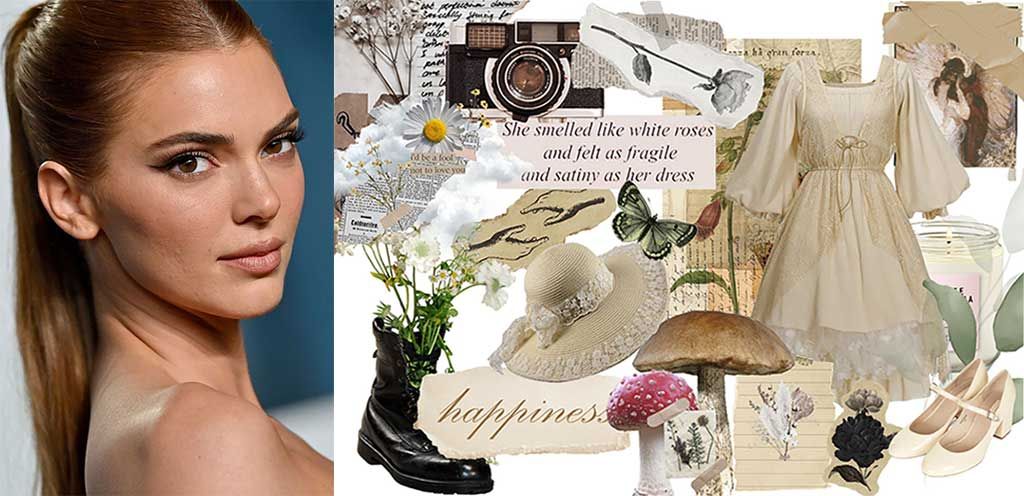
Step into the world of aesthetic communities, where fashion serves as a tool for connections, individuality, and a sense of belonging. Cottagecore, boho chic, balletcore, and clean girl are more than just fleeting styles—they are cultural movements that merge collective identity with personal creativity.
Aesthetic communities are online fashion subcultures such as cottagecore, boho chic, balletcore, and clean girl, where Gen Z consumers use shared style choices on platforms like TikTok and Pinterest to build identity and belonging.
Aesthetic communities represent Gen Z’s reimagining of fashion tribes in digital spaces. Unlike traditional fashion movements dictated by runways and magazines, these communities emerge through social platforms, where shared visual languages create instant belonging. From cottagecore’s romantic escapism to clean girl’s effortless minimalism, each aesthetic serves specific emotional needs while challenging the fashion industry to embrace a more sustainable, community-driven approach to style.
The Digital Genesis of Aesthetic Communities
The pandemic transformed virtual spaces into primary social hubs, elevating fashion as a form of digital identity over in-person presentation. With increased screen time, Millennials, Gen Z, and Gen Alpha have shifted their focus to curating online visual identities. This digital migration created fertile ground for aesthetic communities to flourish.
Social media platforms such as TikTok and Pinterest became the epicenter of self-expression, amplifying the visibility and influence of aesthetic communities across social media. These platforms didn’t just host content; they actively shaped how aesthetic identities formed and spread.
The rise of aesthetic communities owes much to the unique characteristics of their digital birthplaces:
-
TikTok: Fuels rapid trend cycles through short-form styling tutorials and viral challenges. #cottagecore alone has amassed 17.8 billion views, while #balletcore has reached millions, turning niche aesthetics into mainstream movements
-
Pinterest: Moodboard culture cultivates long-term aesthetic planning and inspiration, enabling deeper exploration of styles and themes through curated searches. This platform serves as the visual archive where aesthetics evolve from fleeting trends into lasting movement.
These platforms have distinct engagement styles, with TikTok’s algorithm sparking impulse purchases, while Pinterest encourages deliberate and curated wardrobe creation. Together, they create a comprehensive ecosystem for aesthetic discovery and development.
The influence of aesthetic communities extends far beyond social media metrics. Authentic content and social media engagement play crucial roles in shaping consumer behavior and driving fashion trends in the digital age.
A 2024 report by Confidant/Vytal found 53% of Gen Z favor niche brands for their unique appeal, steering clear of mass-market options. This preference for authenticity over accessibility marks a significant shift in consumer priorities.
Meanwhile, Keywords Everywhere stated 82% of consumers trust brands that leverage user-generated content, showcasing the effectiveness of authentic reviews and unboxing videos in driving purchase decisions across all demographics. This trust translates directly into purchasing power with aesthetic communities.
ThredUp’s 2025 Resale Report notes 50% of younger consumers aged 18-44 purchase secondhand clothing specifically to create social media content, reflecting a growing intersection of eco-conscious values and digital self-expression within aesthetic communities.
The Big Four: Aesthetic Communities Decoded
Each major aesthetic community serves distinct psychological and cultural needs, creating unique spaces for self-expression and belonging.
Cottagecore: Pastoral Nostalgia
-
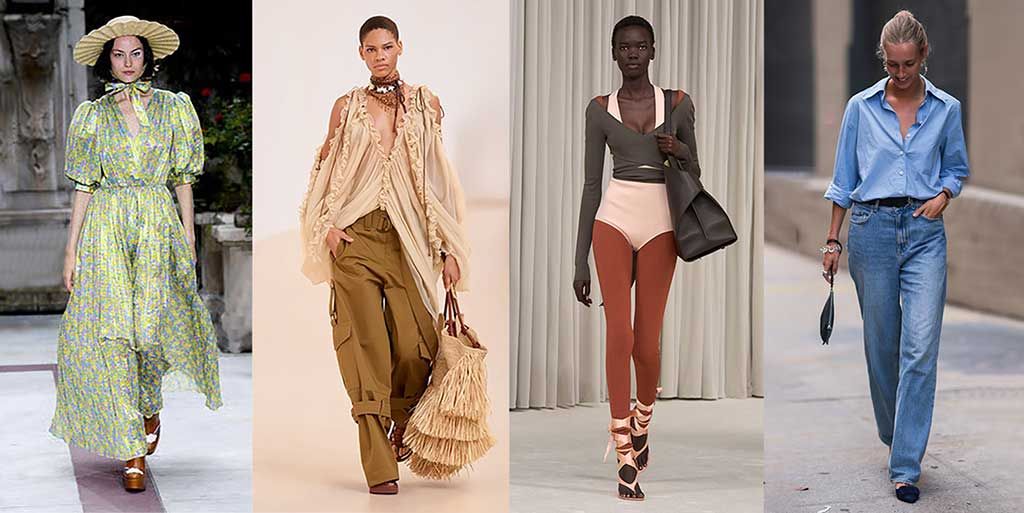
Visual Elements: Flowing midi dresses, puffy sleeves, floral prints, and earthy tones like sage green and lavender
-
Lifestyle Integration: Embraces baking bread, gardening content, vintage homeware, and romanticizing rural simplicity
-
Psychological Appeal: Offers escapism from urban stress, stimulating calm and authenticity
-
Key Brands: Son De Flor, Christy Dawn, and thrifted vintage finds
-
Price Point: $30-200 per piece (thrifted to designer)
Boho Chic: Desert Muse
-
Visual Elements: Asymmetrical fabrics, earthy tones, fringe details, and suede slouchy bags
-
Cultural Roots: Originating from 19th-century Roma communities and bohemian artists, reflecting a rejection of societal norms
-
Styling Notes: Layer minimalist fringe with statement jewelry like feathered earrings for a free-spirited look
-
Accessibility: Thrift-friendly, with handmade pieces and DIY embellishments like embroidery or patchwork
Balletcore: Effortless Elegance
-
Visual Elements: Inspired by classical ballet, featuring pastel leotards, tutus, legwarmers, satin ribbons, and delicate textures
-
Beyond Dance: Everyday styling with ballet-inspired pieces
-
Celebrity Influence: Jennie Kim and Madison Beer
-
Versatility: Professional yet romantic and feminine without being childish
Clean Girl: Minimalist Sophistication
-
Aesthetic: “No-makeup makeup,” sleek hair, neutral tones, quality basics like white shirts and tailored trousers
-
Lifestyle Markers: Green smoothies, pilates, and minimalist accessories
-
Economic Accessibility: Achievable on any budget, prioritizing grooming over expensive clothing
-
Cultural Impact: Challenges maximalist beauty standards
Why We Crave Aesthetic Belonging
Understanding the psychological drivers behind aesthetic communities reveals why they’ve become such powerful forces in contemporary culture.
Identity Formation in Digital Spaces
Visual identity serves as a cornerstone of online self-expression, where aesthetic choices function as shorthand for value and personality. Aesthetic communities create shared visual languages, fostering community and collective identity on social media platforms. This visual communication allows for instant recognition and connection among like-minded individuals.
Younger consumers seek controllable elements in a post-pandemic world. Fashion serves as an emotional regulation tool and a way to express inner feelings. Aesthetics like cottagecore offer calm, boho chic embraces freedom, balletcore shows grace, and clean girl conveys clarity, each serving as a medium to express personal identities while providing psychological comfort.
Social Media Pressure and Validation
However, this digital self-expression comes with its pressures. A 2025 survey by Sprout Social’s Q2 Pulse finds that 41% of Gen Z turn to social platforms first when looking for information, creating new pathways for aesthetic discovery. This amplifies aesthetic conformity through algorithms, creating tension between individuality and collective identity as consumers balance personal style with group belonging.
The Dark Side: When Aesthetics Become Obsession
While aesthetic communities offer genuine benefits, they also present significant challenges that warrant careful consideration.
Aesthetic communities can encourage constant purchasing due to the niche demand of clothing in each community, contradicting the younger generations’ eco-conscious values. A 2023 report by Boxed Water reveals that less than half of Gen Z consistently recycle, showing a gap between ideals and actions. This disconnect stems largely from doubts about whether items in recycling bins truly get recycled, leading to consumption habits contributing to environmental waste.
Curating an online aesthetic presence can lead to burnout if it is not true to themselves. Pressure to stay relevant across ever-changing fashion trends creates constant adaptation that can lead to anxiety and fatigue. Many young adults aged 18–24 report feeling overwhelmed by the demands of maintaining aesthetic authenticity, adding mental strain within these communities.
Fashion Index Solution: Sustainable Aesthetic Expression
Thrifting and Upcycling Strategies
-
Upcycling & Circular Fashion: Blogs about sustainable practices
-
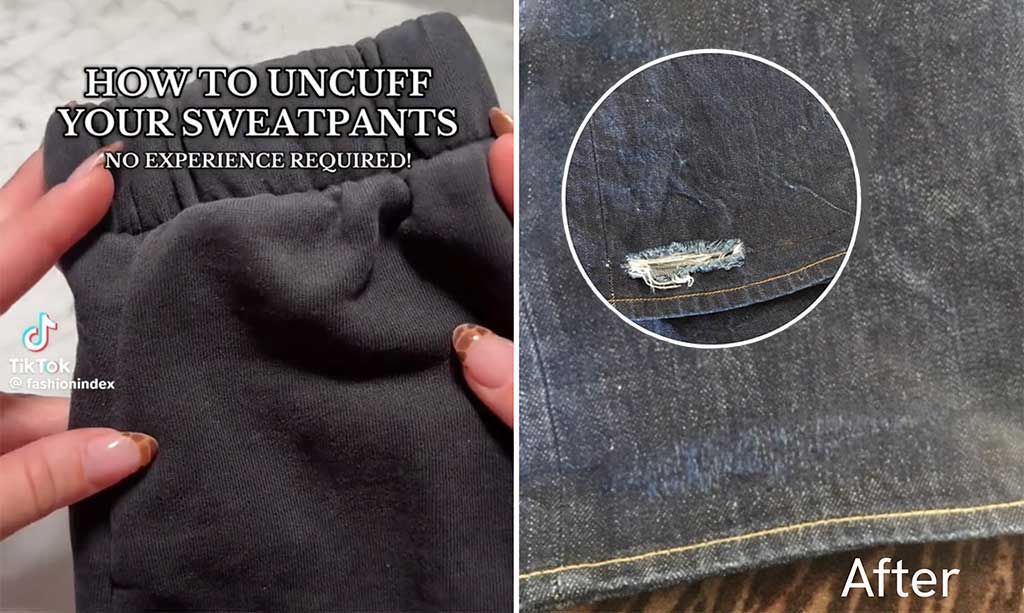
DIY High Fashion & DIY Sweatpants: Tutorials for customizing and upcycling items you already own
-
Roboro: Upcycling textile waste with specialized denim repair services
Build Sustainable Aesthetic Expression
Creating a wardrobe that honors aesthetic wardrobe starts with investing in key pieces that work across different aesthetic communities, emphasizing versatility and intentionality. This approach creates outfits that can adapt to various styles while enhancing the overall wardrobe functionality.
Mixing aesthetics by combining elements from different styles allows for a unique style development, enabling individuality while remaining fashion-forward. A flowing midi dress, for example, can serve as cottagecore paired with cardigans and floral accessories, or clean girl when styled with minimal jewelry and sleek hair.
Prioritizing quality over quantity is essential in building a sustainable capsule wardrobe. Focusing on well-crafted, timeless pieces ensures that clothing lasts longer and remains stylish through changing trends, ultimately providing better value and reduced environmental impact.
The Future: Where Aesthetic Communities are Headed
Several key trends are shaping the evolution of aesthetic communities, pointing toward a more sustainable and technologically integrated future.
Sustainability Integration
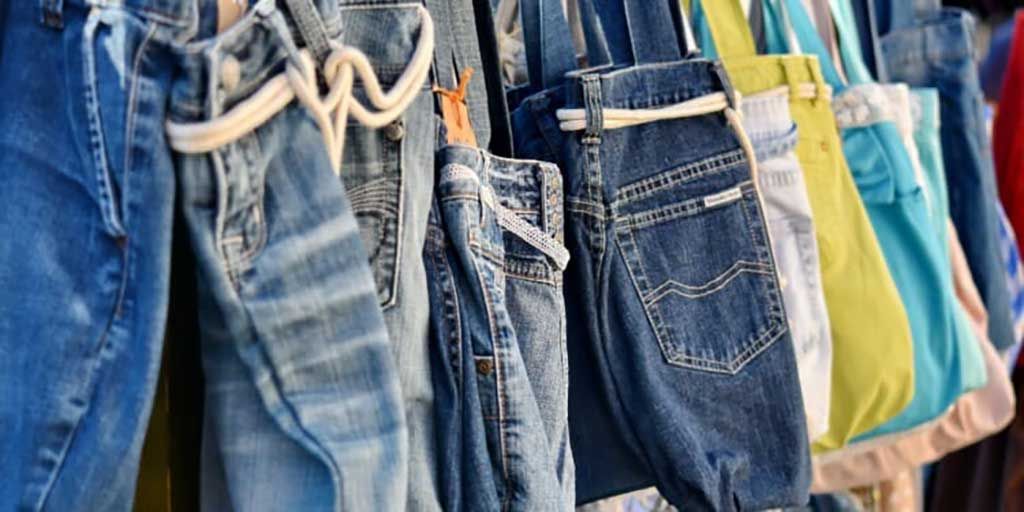
Emerging consumers' eco-conscious mindset drives increasing demand for thrifting and upcycling within aesthetic communities. ThredUp’s 2025 Resale Report projects the secondhand market to reach $367 billion by 2029, supporting sustainable wardrobes. In response, brands are adapting their strategies to meet eco-conscious consumers’ demands, integrating sustainable practices and materials into their collections.
Platforms like Vinted and Depop offer alternatives through secondhand shopping across different aesthetic communities, though they don’t entirely solve the over-consumption issue.
Community-Driven Design
Collaborations between brands and creators on TikTok and Pinterest are shaping platform-specific aesthetics. Leveraging the authenticity and creativity of young influencers allows brands to connect with a demographic that values genuine engagement. The rise of made-to-order pieces is helping to reduce waste, aligning with eco-conscious values across generations while meeting the specific needs of aesthetic communities.
Augmented reality (AR) try-ons allow experimentation with different aesthetics in real-time, reducing the uncertainty of online purchases. AI-powered tools assist with aesthetic matching and personalized shopping recommendations, helping consumers find their unique styles. Virtual fashion enables digital-only aesthetic expression, showcasing looks in a virtual environment without physical production.
Aesthetic Communities are influencing mainstream fashion, driving trends that reflect unique identities and preferences. This creates a long-term impact on the fashion industry structure, pushing brands to explore more diverse styles and production methods.
Trend Prediction: “Messy Girl” is a lifestyle and style trend that rejects rigid perfection in favor of lived-in, chaotic, and highly personal authenticity. Serving as a direct response to the ultra-polished, minimalist "clean girl" look, it embraces smudged makeup, tousled bedhead, and maximalist, memory-filled personal spaces.
Aesthetic communities represent a fundamental reframing of fashion as a powerful identity tool for self-expression. By challenging traditional fashion calendars and forecasting methods, these communities provide brands with an opportunity to authentically adapt with eco-conscious, value-driven consumers to stay relevant in an evolving marketplace.
The rise of these digital-native fashion tribes signals a broader cultural shift toward community-driven aesthetics, sustainable consumption, and authentic self-expression. As platforms continue to evolve and new technologies emerge, aesthetic communities will likely become even more influential in shaping how we understand and engage with fashion.
The future belongs to those who understand the importance of aesthetic community building, fostering connections that resonate with diverse audiences while addressing the sustainability challenges that come with digital-age consumption patterns.
Ready to explore your aesthetic identity sustainably? Whether you’re drawn to cottagecore meadows, boho chic fringes, balletcore studios, or clean girl minimalism, consider how your choices can reflect personal values and community belonging while supporting a more sustainable fashion future.
Submit your sustainable aesthetic journey to @RealFashionIndex on Instagram to inspire our community to refine fashion through conscientious creativity.
Related Articles:
Fashion that fills you with Joy: How Dopamine Dressing elevates your mood
Tiktok’s Transformative Impact on Fashion Industry Marketing
Getting Started
For readers in the early planning stages:
I have a great idea for a fashion product – how do I start?
Essential Tips for Small Fashion Business Success
Go from Fashion Influencer to Fashion Entrepreneur using Fashion Index
What Is Adaptive Fashion? A Complete Guide to Inclusive Design
Apparelmark: Turning Fashion Ideas into Market-Ready Brands with Full-Service Design
On-Demand vs. Batch Manufacturing
Before You Source
For readers preparing to contact suppliers:
Are You Ready to Get a Sample Made?
11 Common Mistakes in Starting a Fashion Business
Lowering Costs For Start-Up Fashion Brands
How to Write a Sourcing Inquiry That Gets a Response
Understanding Knit Fabric Series
How to Start a Fashion Brand: An Essential Guide
Technical Knowledge
For readers building their production fluency:
A Beginner's Guide to Stitch Types
Thread Characteristics: From Fibers to Finishes
Plant-Based Leather Alternatives


Comments
Loading comments…