✦The Sourcing Brief spotlight to 218k+ subscribers
De Minimis Exemption Ended: What It Means for Fashion Brands
Update:
On February 20, 2026, an executive order was signed extending the suspension of the de minimis exemption, requiring almost all imported, low-value packages (previously under $800) to pay duties and taxes, regardless of origin. All shipments, including those from e-commerce giants, are subject to duties, taxes, and enhanced customs inspection.
The de minimis exemption was a U.S. customs rule that let imported packages valued under $800 enter duty-free; it has been suspended for all countries since August 29, 2025, and that suspension was continued by executive order in February 2026.
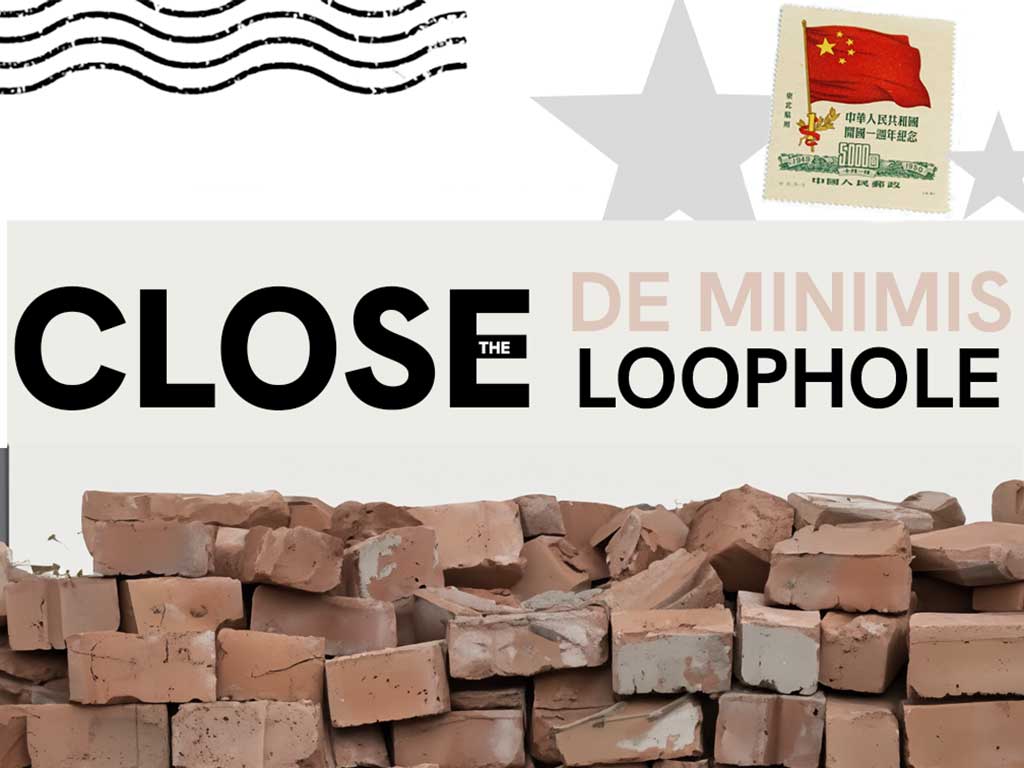
In August, 2025, the U.S. closed the door globally on the de minimis exemption that allowed imports, sent by individuals or companies, under $800 to enter duty free and they were not subject to other trade agreements. After nearly a century, the duty free threshold for small packages is gone, affecting an estimated 90% of the cargo entering the U.S., according to customs.
The exception was put into place to save the time and money spent on collecting relatively small amounts by customs. But, what was intended as administrative efficiency became the foundation for entire business models.
The timeline to remove this loophole was accelerated. Under the Biden Administration, de minimis was originally set to be phased out in July 2027, but it was moved up as part of broader trade policy changed. For China/Hong Kong specifically, the de minimis ended in May 2025.
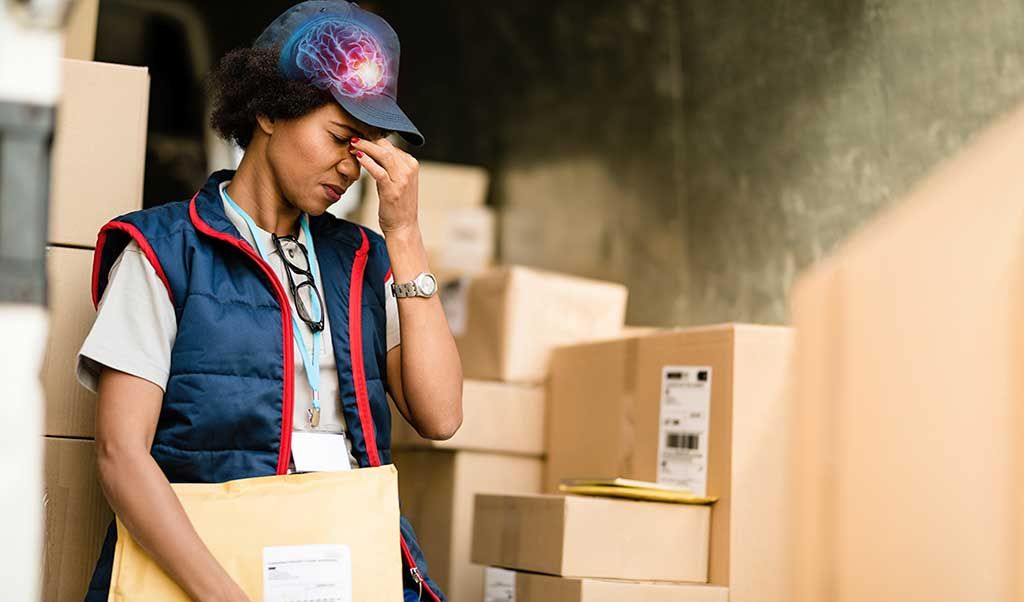
Immediate Supply Chain Disruptions
The impact was immediate and severe. About 4 million more packages per day are now subject to tariffs and duties that previously sailed through customs without inspection. Major postal services in Europe and Asia-Pacific regions suspended shipments to the U.S. prior due to the complexities of overnight compliance with new regulations.
For shoppers, this means canceled orders and significant delays as global logistics systems scramble to adapt to the processing requirements that were implemented with virtually no transition period.
Fast Fashion Giants Face Existential Threat
This policy strikes at the heart of Chinese e-commerce giants like SHEIN and Temu, which built business models around the loophole. SHEIN and Temu thrived by producing ultra-cheap products and selling directly to consumers, bypassing import fees on almost all their sales. Now, facing the same tariffs as every other import item, these companies could see 50% increases in their U.S. retail pricing.
For Shein specifically, which already lost the de minimis exemptions for China/Hong Kong shipments in May 2025, this represents the final closure of their duty-avoidance strategy.
Independent Brands Caught in the Crossfire
While the policy aims to undercut low-quality, high volume giants abusing the loophole, independent brands and retailers that face significant collateral damage. Many independent retailers have built businesses around curating global edits—emerging designers from Copenhagen, niche labels from Mexico City, vintage sourced from Japan. Their nimble model of ordering small more frequent batches now inherit substantial new costs and friction.
Consider SSENSE, the Canadian retailer built on curating international luxury and emerging designers for a large U.S. customer base. Their struggles under existing duty thresholds have already been substantial, and the end of de minimis only intensifies these challenges.
For international independent designers, from small Etsy makers to emerging designers creating seasonal collections, the U.S. market has always represented a major opportunity for growth, credibility, and scale. But with every shipment now facing duties and paperwork, even direct-to-consumer orders, the American market becomes significantly more complex and expensive to access.
Economic Impact on Consumers
The National Bureau of Economic Research estimated that ending de minimis could cost U.S. consumers at least $10.9 billion annually, or $136 per family, according to a 2025 paper. Low-income and minority consumers will be disproportionately impacted as they rely more heavily on cheaper, imported purchases.
Most industries, including fashion, are no longer set up for large scale production in the US. Building the needed infrastructure will take years and billions of dollars, meaning consumers should expect higher prices on low-cost goods. Many international postal services are still working to resume normal operations after temporarily suspending shipment to navigate the new customs requirements.
Fashion Industry Transformation
Removing the exception creates a paradox within the fashion ecosystem. It’s positioned as a corrective measure against counterfeits and below-market goods from China, but the collateral damage falls heavily on companies that were never abusing the policy. Independent brands get swept into the same regulatory net as mass-volume players.
For tradeshows and showrooms—the critical bridges between international talent and U.S. retailers—the change raises fundamental questions about their future viability. Added costs and logistical hurdles risk slowing the international energy and innovation that defines these platforms, making it harder for new voices to break into the U.S. market.
Long-Term Industry Implications
For US brands importing production in bulk, like the Gap, aren’t seeing new costs here. Their duties, while now higher, were already factored into their business models. This gives domestic manufacturers a more level playing field against artificially cheap imports and addresses fair labor practice concerns that were being skirted under the de minimis exception.
The key question moving forward is how the ecosystem adapts. Success will depend not just on design innovation, but on how every part of the supply chain, from sourcing to sales channels, recalibrates to this new reality.
Potential adaptations include strategic nearshoring, regional fulfillment hubs, or new trade agreements as part of your supplier evaluation. However, the brutal implementation timeline gave companies little runway to adapt to these fundamental changes.
Looking Ahead
Over the next few weeks and months, this sudden shift will prove defining for the fashion industry. Smaller retailers and other industries will definitely face challenges, but the policy aims to deliver wins against mega-companies exploiting trade loopholes and address broader issues including the drug trade.
The question now is whether innovation will emerge in response—and whether the fashion industry can sustain its international energy and cross-border collaboration while navigating this new regulatory landscape. For small independent brands and retailers, pricing, merchandising, and supply chain strategies will matter as much as creative direction in the post-de minimis economy.
Are you ready for the post-de minimis economy? How is your brand or business adapting to these supply chain changes?
Related Articles:
How Tariffs Are Reshaping the U.S. Fashion Industry
De Minimis Exception Ends: What It Means for Fashion Brands
Navigating the De Minimis Exception: Impact on Fashion, Trade, and Labor Standards
Getting Started
For readers in the early planning stages:
I have a great idea for a fashion product – how do I start?
Essential Tips for Small Fashion Business Success
Go from Fashion Influencer to Fashion Entrepreneur using Fashion Index
What Is Adaptive Fashion? A Complete Guide to Inclusive Design
Apparelmark: Turning Fashion Ideas into Market-Ready Brands with Full-Service Design
On-Demand vs. Batch Manufacturing
Before You Source
For readers preparing to contact suppliers:
Are You Ready to Get a Sample Made?
11 Common Mistakes in Starting a Fashion Business
Lowering Costs For Start-Up Fashion Brands
How to Write a Sourcing Inquiry That Gets a Response
Understanding Knit Fabric Series
How to Start a Fashion Brand: An Essential Guide
Technical Knowledge
For readers building their production fluency:
A Beginner's Guide to Stitch Types
Thread Characteristics: From Fibers to Finishes
Plant-Based Leather Alternatives


Comments
Loading comments…