✦The Sourcing Brief spotlight to 218k+ subscribers
Why Apparel Manufacturing Takes Longer Than You Expect
From the outside, fashion often appears immediate. New collections launch constantly, trends move quickly, and products seem to appear overnight online. Behind the scenes, however, production timelines are rarely fast or predictable. Manufacturing a garment involves fabric sourcing, approvals, revisions, scheduling, and coordination between multiple teams before production can even begin.
For many startup founders, one of the biggest surprises is not the design process itself, but how long every stage of development actually takes. While social media often highlights the finished product, the reality of apparel manufacturing is that most of the work happens long before a product is ready to launch.
What A Realistic Manufacturing Timeline Actually Looks Like
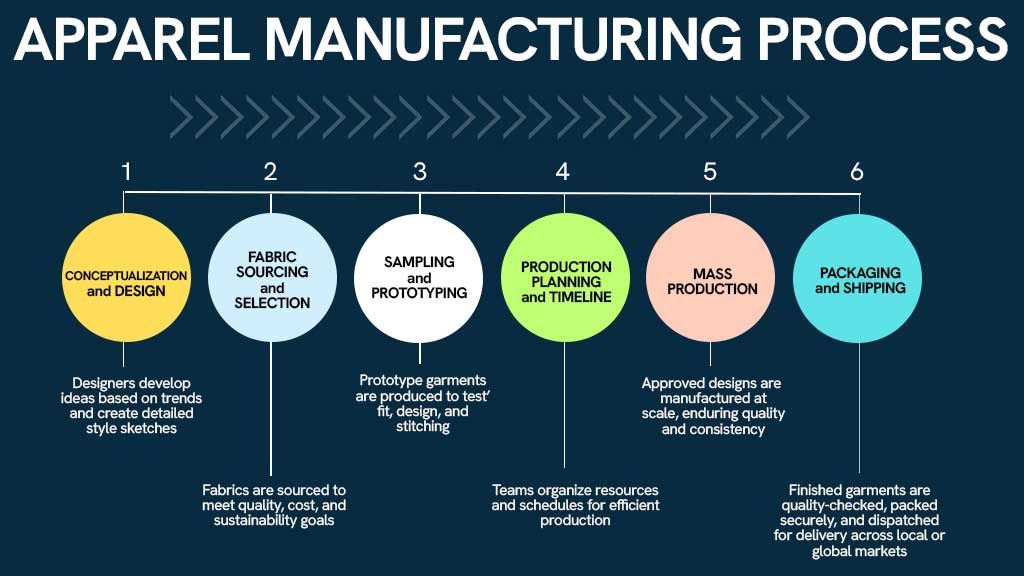
One of the most common fashion startup mistakes is underestimating the total time required to move from concept to finished product. Even relatively simple products can take several months to develop, sample, produce, and deliver. A basic custom T-shirt order would look something like this:
|
Stage |
Domestic Manufacturing |
Overseas Manufacturing |
|
Counter Sample Development |
3 – 5 weeks |
5 – 9 weeks |
|
Counter Sample Revisions & Approval (up to 4 rounds) |
2 - 4 weeks |
4 - 8 weeks |
|
Bulk Production (100–500 units) |
2 – 4 weeks |
4 – 6 weeks |
|
Shipping |
1 week |
4 – 6 weeks |
|
Total Estimated Timeline |
8 – 14 weeks |
17 – 29 weeks |
Overseas manufacturing may take twice as long as domestic.
For a simple graphic T-shirt, domestic production can often be completed in approximately 2–4 months, while overseas production frequently requires 4–7 months when fabric sourcing, sampling, factory scheduling, and international shipping are included. More complex products with custom fabrics, trims, embroidery, or multiple sample rounds can extend timelines significantly.
Read How to Start a Fashion Brand: An Essential Guide for more information.
Why Fashion Production Timelines Are Often Delayed
Many founders assume production moves in a straight line from design to delivery. In reality, apparel manufacturing timelines may fluctuate. Delays can occur at every stage.
Fabric Sourcing
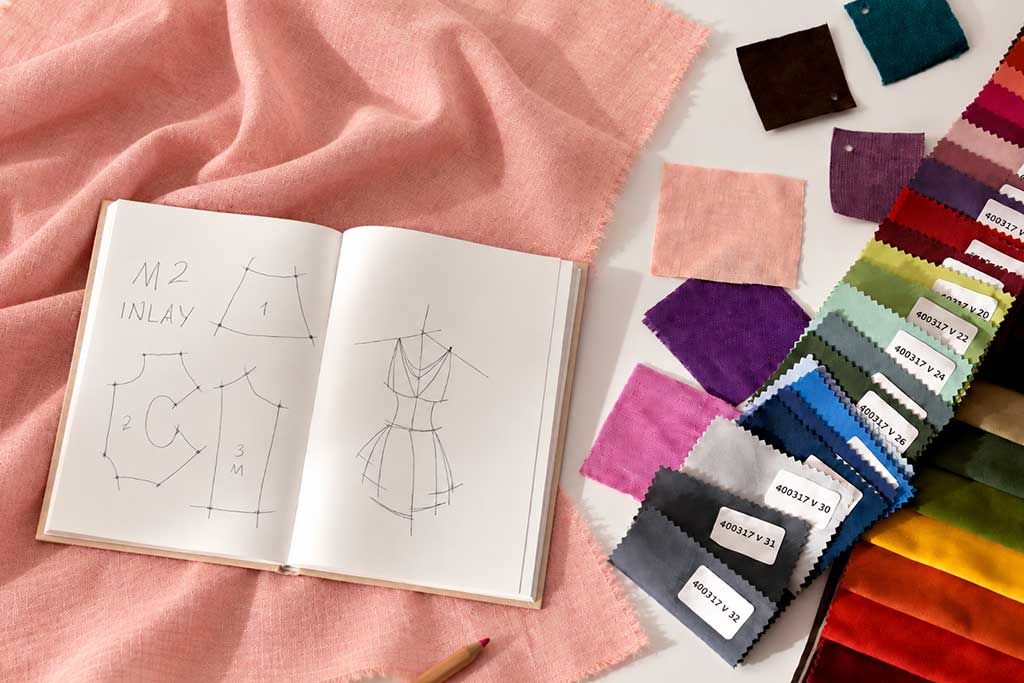
This stage is often one of the first obstacles. Materials may be out of stock, discontinued, or require additional lead time from mills. Even when a fabric appears readily available, brands may need to request swatches, test fabric performance, confirm color accuracy, or wait for lab dips and strike-offs before making final approvals.
Factory Scheduling and Capacity
Most manufacturers plan production months in advance and manage multiple clients simultaneously, especially during peak seasons. Larger brands typically reserve production capacity early, which can make it more difficult for smaller brands to secure preferred production windows.
Pro Tip: Ask potential suppliers about their current lead times and upcoming availability before committing to factories and timelines. If you’re targeting a seasonal launch, ideally start conversations 4-6 months earlier than you think you need to.
Approvals and Revisions
First samples are rarely perfect, and every revision adds time. A fit adjustment, fabric substitution, color correction, logo placement change, or construction change can require new samples and another round of reviews before production can proceed. This back-and-forth is normal, but founders who don’t plan for it often find themselves weeks behind schedule.
Shipping and Logistics
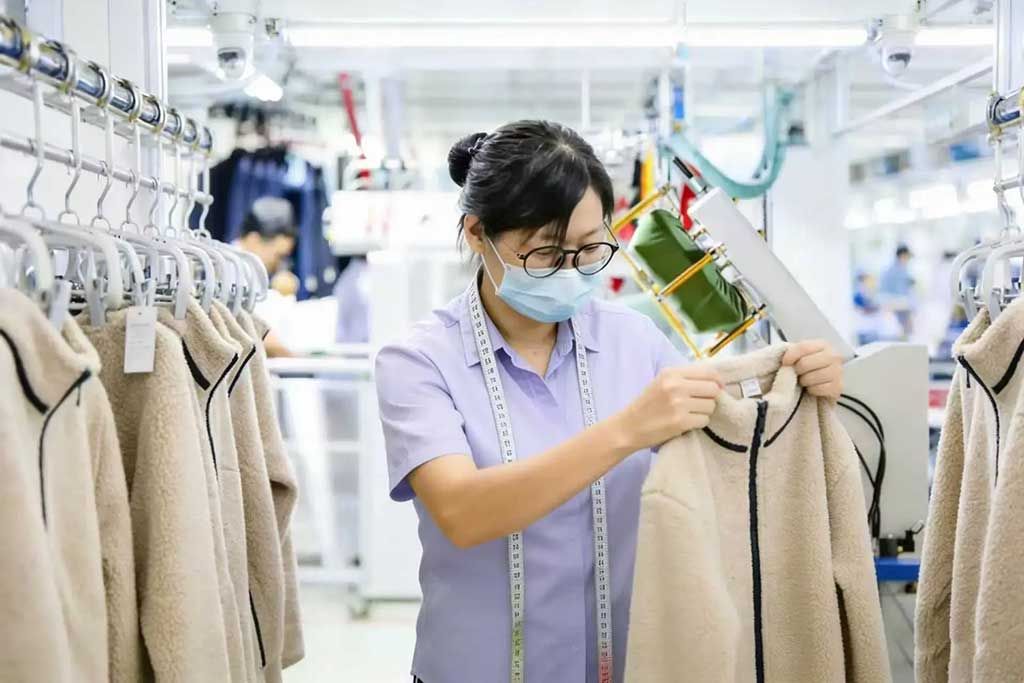
The manufacturing process is not over when garments leave the production floor. Products still need to go through quality inspections and packing.
For overseas production, ocean freight alone can take 4-6 weeks, and that is before accounting for port congestion, customs processing, or carrier delays. Even domestic production requires time for receiving, inspections, and fulfillment prep.
Because shipping delays occur after production is complete, they're especially frustrating. Many founders believe their products are launch-ready, only to wait weeks for inventory to actually arrive.
Holiday Calendars
Global celebrations and downtime can pause production for weeks. Founders should understand how regional calendars affect their suppliers:
-
Chinese New Year: Factories across China shut down for at least two weeks, but disruptions often last longer. Workers frequently travel long distances to return home, and production schedules begin filling months in advance as brands rush to place orders. Even after factories reopen, it can take weeks for production capacity to return to normal
-
European Summer Shutdowns: Many manufacturers, textile mills, and suppliers across Europe reduce operations or close for portions of August. Communication slows down, lead times increase, and approvals take longer
-
Eid and Diwali: Depending on the region, these holidays affect factory attendance, supplier operations, and transportation services
The production rush before these major holidays creates additional congestion. Brands that wait too long to place orders can find themselves pushed into the post-holiday production queue, adding weeks or even months to their timeline.
Pro Tip: Confirm your factory’s holiday calendar before finalizing timelines. A two-week closure for Chinese New Year can derail a spring launch.
Sampling Takes Longer Than Many Expect
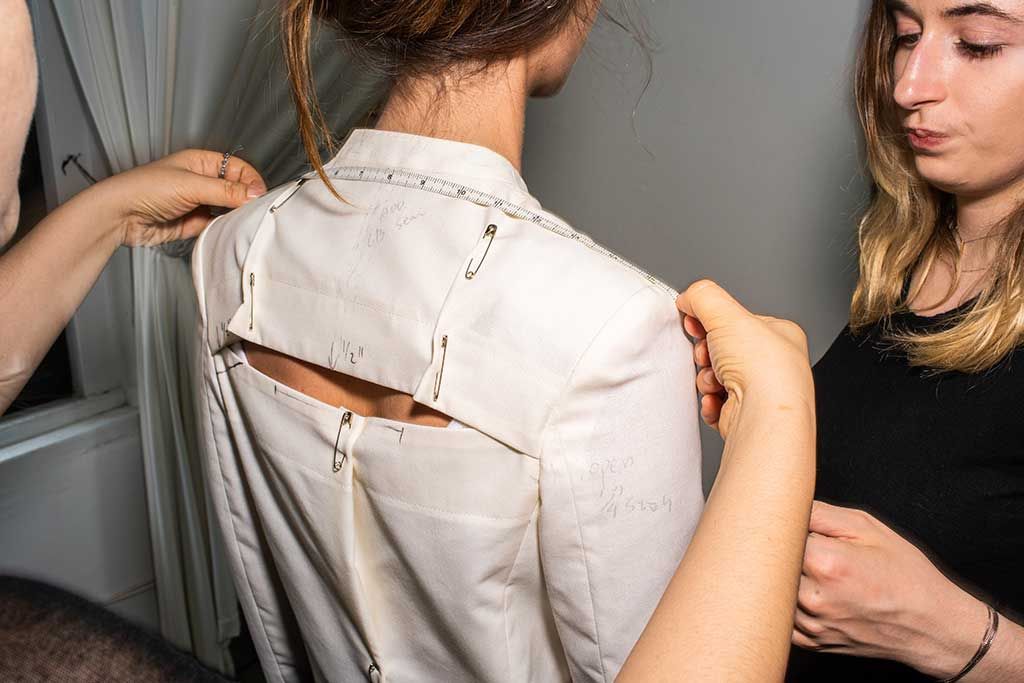
Sampling is one of the most important parts of fashion product development, and one of the most misunderstood.
Brands that cannot be on-site during manufacturing can request a sample before approving shipment, regardless of order (this sample should be in packaging as the actual bulk will arrive in the warehouse).
Two to four rounds are common before moving into production. While this process can feel slow, revisions prevent larger problems during bulk production.
Each round takes time. A single revision may require adjusted patterns, reordered fabric, or new construction techniques before another sample can be produced. For overseas production, international shipping adds several weeks per round.
Many founders expect samples to confirm a design works. In reality, sampling is where products are refined and tested. Fit issues, material concerns, and construction problems discovered now are far more expensive to correct than after hundreds of units have been produced.
Sampling is an investment in product quality, not a setback.
Frequently Asked Questions About Sampling
What is a prototype in apparel sampling?
A prototype is made in-house or in a sample room before going to the factory. It's used to test concept and construction approaches before involving the manufacturer.
What is a counter sample in apparel manufacturing?
A counter sample is the factory's interpretation of a garment design, built directly from the brand's tech pack. It's typically the starting point for fit and construction revisions before production begins.
What is a fit sample?
A fit sample is a counter sample produced to refine sizing, proportions, embellishment placement, and construction in the base size. Most brands go through two to four rounds before a fit sample is approved.
What is a size run sample?
Once the base size is approved, a size run sample is produced to verify that grading holds up accurately across the full size range, not just the base size.
What is a pre-production (PP) sample?
A PP sample is the final confirmation sample approved before bulk production starts. Two pieces are usually sent: one for the brand to keep, one returned to the factory as the production reference.
What is a Top of Production (TOP) sample?
A TOP sample is pulled from the earliest part of the actual production run. It's typically requested for larger orders or when a brand can't inspect the factory in person.
Learn How to Build An Apparel Tech Pack with our 10 part series.
Communication Can Speed Up or Slow Down Everything
Factory communication is one of the most overlooked factors affecting fashion production timelines.
Delayed approvals, incomplete tech packs, unclear feedback, or unanswered questions create bottlenecks throughout development. A small question from a factory left unanswered for several days can delay an entire production schedule.
The Tech Pack Problem
Factories rely on tech packs to understand exactly how a garment should be made: measurements, materials, trims, construction, artwork placement, labels, and packaging. When information is missing, manufacturers pause to request clarification, extending timelines and increasing the chance of incorrect samples or production errors.
A complete tech pack acts as the blueprint for garment production. It reduces misunderstandings, minimizes revisions, and keeps projects moving.
Time Zones and Language Barriers
These challenges intensify with overseas suppliers. Time zone differences, slow response cycles, and language barriers may require additional clarification to ensure instructions are understood correctly.
How to Speed Up the Process
-
Provide complete, detailed tech packs upfront’
-
Consolidate feedback into single, organized responses
-
Respond to factory questions within 24-48 hours
-
Maintain clear documentation throughout development
Founders who communicate clearly and respond quickly often experience smoother production. Those who manage projects informally lose weeks to unnecessary delays.
Pro Tip: Treat factory communication like a time-sensitive project. Every day a question goes unanswered adds days to your timeline.
How Delays Impact Budgets & Launch Plans
Apparel production delays rarely affect timelines alone. They often create additional operational and financial challenges throughout a business.
Missed seasonal launch windows can reduce sales opportunities. Marketing campaigns may need to be postponed while waiting for inventory to arrive. Product photography, influencer partnerships, and advertising schedules may need to be adjusted.
Additional sample rounds can increase development costs, while expedited shipping is often used to recover lost time. Inventory timing challenges can also create cash flow issues for emerging brands that depend on specific launch dates.
Founders who manage timelines launch on schedule. Those who don’t scramble, overspend, or miss their windows entirely. Understanding how delays affect multiple areas of the business allows brands to plan more effectively and make better decisions throughout the production process.
Building Flexibility Into Your Timelines
Apparel manufacturing is rarely as fast as it appears online. Successful founders are often the ones who build flexibility into their timelines, communicate clearly, and understand that revisions and delays are part of the development process.
Buffer time should not be viewed as a weakness. It is a strategic tool that helps brands absorb unexpected challenges without compromising product quality or launch plans. Adding extra time into production schedules can reduce stress, improve decision-making, and create more realistic expectations across the entire development process.
Ultimately, apparel manufacturing remains a highly human-driven industry. Skilled designers, pattern makers, sample makers, suppliers, and factory teams all play a role in bringing products to life. While technology has improved communication and efficiency, production cannot always be compressed into unrealistic timelines.
Founders who understand this reality are often better positioned to navigate fashion production challenges, avoid costly mistakes, and build stronger brands over the long term.
Pro Tip: Build a 2-4 week buffer into the timeline. If you don’t need it, you’re ahead. If you do, you’re not scrambling.
Related Articles:
Getting Started
For readers in the early planning stages:
I have a great idea for a fashion product – how do I start?
Essential Tips for Small Fashion Business Success
Go from Fashion Influencer to Fashion Entrepreneur using Fashion Index
What Is Adaptive Fashion? A Complete Guide to Inclusive Design
Apparelmark: Turning Fashion Ideas into Market-Ready Brands with Full-Service Design
Before You Source
For readers preparing to contact suppliers:
On-Demand vs. Batch Manufacturing: Choosing the Right Apparel Production Method
Are You Ready to Get a Sample Made?
11 Common Mistakes in Starting a Fashion Business
Lowering Costs For Start-Up Fashion Brands
How to Write a Sourcing Inquiry That Gets a Response
Understanding Knit Fabric Series
How to Start a Fashion Brand: An Essential Guide
Technical Knowledge
For readers building their production fluency:
A Beginner's Guide to Stitch Types
Thread Characteristics: From Fibers to Finishes


Comments
Loading comments…