✦The Sourcing Brief spotlight to 218k+ subscribers
How to Write a Sourcing Inquiry That Gets a Response
Most emerging brands focus heavily on the product itself—fabric, silhouettes, branding, pricing—but overlook one of the most important parts of the sourcing process: communication. Before a sample is developed or a production quote is sent, suppliers are already evaluating whether a brand appears organized, realistic, and ready for apparel manufacturing.
Effective supplier communication is what separates serious brands from those that struggle to gain responses.
A sourcing inquiry is often the first impression a supplier has of your business. And like most first impressions, clarity matters.
Manufacturers receive countless sourcing requests every week. The inquiries that stand out are not necessarily the ones with the “best” product ideas, but the ones that communicate direction and operational understanding. Clear inquiries help streamline pricing, timelines, and production conversations from the beginning.
The brands that receive stronger responses are often the brands that communicate like production partners—not just ideas in development.
This guide breaks down why suppliers ignore certain inquiries, what information brands should prepare before outreach, common supplier-side red flags, and how to structure sourcing communication more professionally from the start.
Developing a clear sourcing strategy before outreach will significantly improve supplier engagement and response quality.

Why Suppliers Ignore Certain Inquiries
Suppliers are not just evaluating the fabric—they are evaluating the client.
Many sourcing inquiries are ignored because they lack essential information for suppliers to assess feasibility, pricing, or production alignment. Messages like “Can you make this?” or “How much would this cost?” may seem straightforward from the brand side, but from the supplier’s perspective, they create more questions than answers.
Manufacturers need to understand the product type being developed, estimated quantities, timeline expectations, material requirements, production complexity, and the overall seriousness of the project. Without this information, suppliers cannot accurately estimate pricing or determine whether the project aligns with their production capabilities.
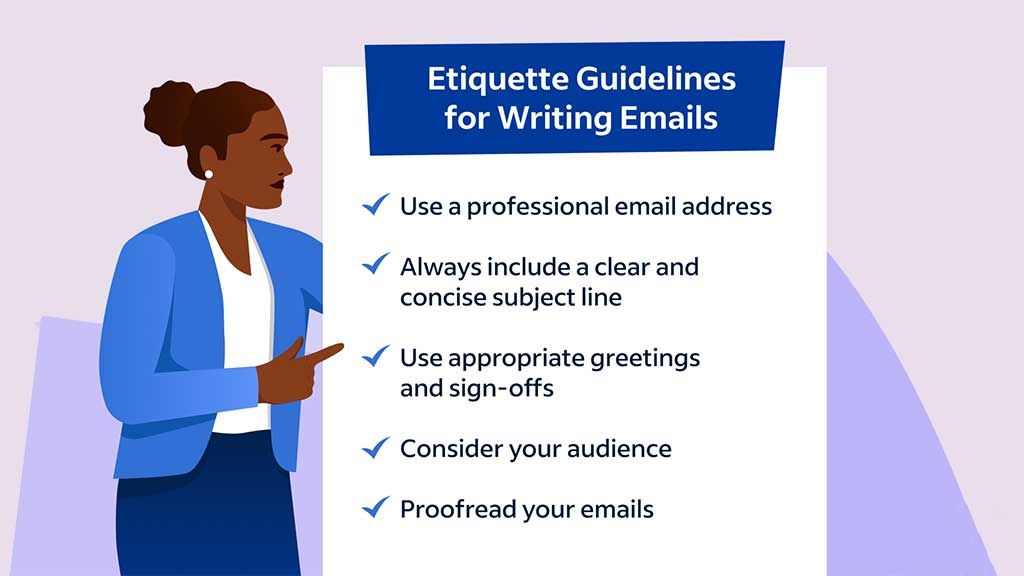
Communication style also matters. Suppliers often scan inquiries, especially when managing multiple projects. A vague subject line, unclear request, or disorganized email lowers the likelihood of a response. Having strong supplier communication makes it easier for manufacturers to quickly evaluate project fit.
Weak Inquiry vs Strong Inquiry
Weak Inquiry
“Hi, I’m starting a clothing brand and need pricing for hoodies. Can you help?”
Professional Inquiry
“Hello, we are currently developing a heavyweight fleece hoodie collection for Fall 2027 and are looking for an apparel manufacturing partner specializing in knitwear production. Our estimated order quantity is 400–600 units, and we are currently sourcing suppliers for sampling and production.”
The difference is preparation.
The Pre-Send Checklist
Before contacting any supplier, brands should prepare the operational details that manufacturers rely on to assess pricing, scheduling, and feasibility.
Pinterest images, runway references, or screenshots may communicate aesthetic direction, but they are not production instructions.
This does not mean every detail must be finalized. However, suppliers should be able to quickly understand what is being produced, approximately how much is needed, and what stage the project is currently in.
What to prepare before reaching out:
-
Product Category & Garment Type
-
Estimated Quantities & MOQ Expectations
-
Target Price Range
-
Fabric & Material Requirements
-
Timeline & Delivery Expectations
-
Shipping Destination & Sustainability Requirements
Learn more in our How to Create an Apparel Tech Pack 10-part series.
Download Fashion Index’s Complete Pre-Send Checklist for free.
How to Structure a Professional Sourcing Email
A sourcing inquiry should be concise, organized, and easy for suppliers to assess quickly. The goal is not to overwhelm manufacturers with information, but to provide enough operational clarity to continue the conversation productively.
Strong subject lines should immediately communicate the product category, quantity range, and timeline. Examples such as “Women’s Knitwear Inquiry | 500 Units | Spring 2027” or “Cut-and-Sew Activewear Supplier Inquiry” provide suppliers with immediate context, while vague subject lines like “Inquiry” or “Question” are easier to overlook, especially when suppliers are scanning large volumes of emails.
Brand introductions should also remain concise and relevant. Suppliers typically only need a brief understanding of the brand focus, target market, current development stage, and product category during initial outreach. Long brand stories or excessive background information can distract from the operational details suppliers actually need to evaluate the project.
The inquiry itself should remain organized and easy to scan. Including details such as garment type, estimated quantities, material requirements, delivery timeline, requested services, and attachments allows suppliers to assess feasibility more efficiently and reduces unnecessary back-and-forth communication.
Clear communication at this stage helps prevent misunderstandings later in development.
Any attachments should be clearly labeled and easy to reference. Brands should also end the inquiry with a specific request, whether that is a quote request, MOQ confirmation, sampling timeline, or production capability question. The clearer the ask, the easier it becomes for suppliers to respond productively.
Sample Inquiry: Before & After
Before
“Hi, I’m starting a clothing brand and want to make some hoodies. Can you send pricing and minimums?”
After
“Hello,
My name is [Name], and I’m currently developing a heavyweight fleece hoodie collection for Fall 2027. We are looking for an apparel manufacturing partner specializing in knitwear production.
Project details:
-
Estimated quantity: 400–600 units
-
Fabric: 450 GSM brushed cotton fleece
-
Timeline: Sampling and development in June, production by August, delivery by October 1
-
Shipping destination: Los Angeles, United States
We would love to learn more about your MOQs, sampling process, and pricing structure.
Thank you,
[Name / Brand]”
A strong inquiry doesn’t overwhelm with details; it provides just enough for the supplier to evaluate fit and respond.
Pro Tip: Timelines vary based on manufacturer location, product complexity, and fabric availability. For a product with an October 1 release, plan for:

Follow-Up Etiquette
Following up is part of the sourcing process, but timing and professionalism matter.
When to follow up: Wait 5-7 business days before sending a follow-up.
How to follow up: Keep it brief, reference your original inquiry, confirm attachments were received, and offer to provide additional information.
When to move on: No response after 2-3 follow-ups is an answer. Redirect your energy to other suppliers.
Strong supplier relationships are built through communication consistency—not pressure.
Consistent communication helps establish trust over time.

When sourcing internationally, communication clarity becomes even more important. Language barriers, time zones, regional holidays, and messaging platforms can all affect clarity, response times, and production schedules.
Holidays such as Chinese New Year, Eid, and Diwali can delay communication and factory operations. Messaging platforms like WhatsApp or WeChat may be preferred over email in certain regions.
Avoid idioms, slang, and overly casual language to reduce confusion when working internationally. Using concise common language, organized formatting, and clear expectations creates smoother communication throughout the sourcing process. These practices are especially important when working with global fashion suppliers.
Strong Supplier Relationships Start With Clear Communication
Direct and organized sourcing communication improves the entire production process.
Clear inquiries help suppliers provide more accurate pricing, realistic timelines, and stronger production guidance from the beginning. They also help brands establish credibility early in supplier relationships and support long-term success.
The brands that receive better responses aren’t necessarily the ones with the best product ideas; they’re the ones that communicate like production partners from the start. A thoughtful sourcing strategy and strong relationships with fashion suppliers can create a more efficient and scalable sourcing process.
Find your apparel manufacturing partners in Fashion Index’s Supplier Directory for free.
FAQ
What should I include in a sourcing inquiry?
A strong sourcing inquiry should include the product category and garment type, estimated quantities and MOQ expectations, target price range, fabric and material requirements, timeline and delivery expectations, and shipping destination or sustainability requirements.
Why do suppliers ignore some sourcing inquiries?
Suppliers often ignore inquiries that lack essential details like product type, estimated quantities, timeline, and material requirements, since this information is needed to assess feasibility and provide accurate pricing.
How long should I wait before following up with a supplier?
Wait 5 to 7 business days before sending a follow-up. If there's no response after 2 to 3 follow-ups, it's usually best to redirect your energy to other suppliers.
What's a strong subject line for a sourcing inquiry email?
A strong subject line communicates the product category, quantity range, and timeline upfront, for example "Women's Knitwear Inquiry | 500 Units | Spring 2027" rather than a vague line like "Inquiry" or "Question."
Ready to find the right supplier? Fashion Index’s supplier directory connects brands with manufacturing partners aligned with their product category, production needs, and sourcing goals.
Related articles:
Getting Started
For readers in the early planning stages:
I have a great idea for a fashion product – how do I start?
Go from Fashion Influencer to Fashion Entrepreneur using Fashion Index
Essential Tips for Small Fashion Business Success
Before You Source
For readers preparing to contact suppliers:
Are You Ready to Get a Sample Made?
11 Common Mistakes in Starting a Fashion Business
Lowering Costs For Start-Up Fashion Brands
Technical Knowledge
For readers building their production fluency:
A Beginner's Guide to Stitch Types
Thread Characteristics: From Fibers to Finishes


Comments
Loading comments…