✦The Sourcing Brief spotlight to 218k+ subscribers
How to Start a Fashion Brand: An Essential Guide
Social media glamorizes fashion entrepreneurship—launch parties, aesthetic campaigns, influencer gifting, viral collections. The reality looks nothing like that.
Most founders spend far more time dealing with spreadsheets, supplier negotiations, production delays, and budgeting than attending fashion events.
Starting a fashion brand isn’t about creativity alone. It’s about operations, consistency, communication, and patience. Behind every successful launch are months—sometimes years—of preparation before the first product is ever sold.
This guide breaks down what actually happens behind the scenes when building a fashion brand from the ground up.
Before You Start: What You Actually Need
One of the biggest misconceptions: you need an entire collection before launching. In reality, many successful brands begin with one strong product concept, not a large assortment.
A clear product idea matters more than producing dozens of styles too early. Brands that start smaller have more flexibility to refine their product, test their audience, and improve quality before scaling.
Before production even begins, founders need to understand their target customer. Who are they? What problem does the product solve? Why would someone choose this brand over competitors? Brands that lack clear positioning often struggle with marketing later because they never established who they were creating for in the first place.
Another critical step is creating a basic tech pack or specification sheet. Tech packs communicate design details, sizing, measurements, materials, construction, and production instructions to manufacturers. Without clear documentation, miscommunication during sampling and manufacturing becomes almost guaranteed.
Timeline expectations are almost always wrong. Social media can make launches look instant. In reality, most brands spend 12 to 18 months developing products before going to market. Sampling, sourcing, revisions, manufacturing, and branding all take significantly more time than most first-time founders expect.
We sat down with Andrew Drigola, co-founder of Apparelmark, to get his perspective as an industry expert. Apparelmark is an end-to-end solutions provider that supports entrepreneurs with design, fabric sourcing, tech packs, production, and manufacturer connections, making the fashion development process more accessible even for those without industry experience.
“A lot of founders come in with the idea, they have an end goal. They think you can just use an AI image and you have a design. It doesn't quite work that way. There’s a lot of unknowns and checkpoints along the way.” ~ Andrew Drigola
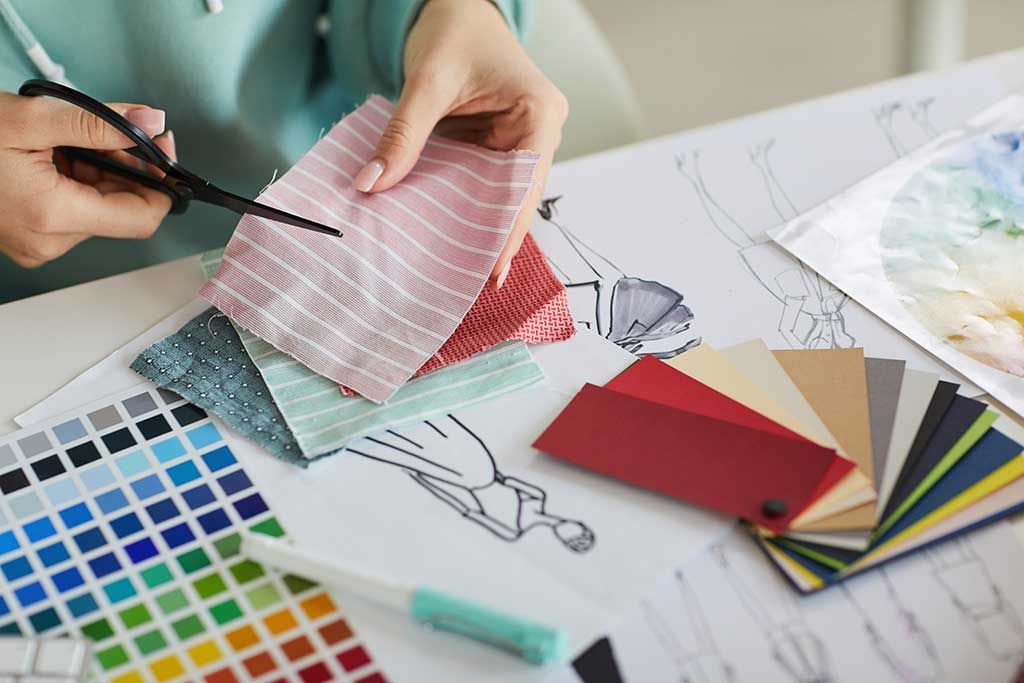
Sourcing and Manufacturing: The Reality
Once the concept is established, the next challenge is sourcing and manufacturing. This is where fashion entrepreneurship becomes far more operational than creative.
Finding the right supplier depends on several factors: budget, product category, quality expectations, and minimum order quantities (MOQs). Many manufacturers require brands to produce a certain number of units per style, which can be difficult for startups with limited budgets.
Founders must also decide whether to manufacture domestically or overseas. Local production can offer stronger communication, easier quality control, and faster revisions. Overseas fashion manufacturing may lower production costs but involves longer timelines and more logistical complexity.
Counter sample development is rarely completed in one round. Most brands go through two to four rounds of revisions before approving a final product. Common challenges include fit changes, incorrect materials, and communication breakdowns.
Professional communication with suppliers matters—a lot. Clear emails, organized documentation, and realistic expectations help establish stronger relationships and reduce costly mistakes.
Sourcing and manufacturing often determine whether a fashion startup survives—financially and operationally. Production mistakes get expensive fast, especially for brands operating on tight budgets.
Access Fashion Index’s Suppliers Catalog for free!
“Lead times for fabric sourcing ranges from four to eight weeks, and the design itself cannot be confirmed until the fabric is finalized. If you change fabric, the design changes. There’s no point in trying to get the designs confirmed beforehand.” ~ Andrew Drigola
Budgeting and Financial Planning: What It Actually Costs
Cost is the most underestimated part of fashion entrepreneurship. Many founders assume the majority of expenses come from designing clothing. In reality, operational costs add up fast.
Sample development can range anywhere from $500 to several thousand per style, depending on complexity, materials, and revisions. Production costs vary based on fabrics, trims, manufacturing complexity, packaging, and MOQs. Photography, website development, branding, shipping, and social media marketing also require ongoing investment.
Packaging and shipping are especially underestimated. Many brands focus heavily on product development while overlooking fulfillment costs, return management, customs duties, taxes, and storage.
Errors during bulk production get expensive very quickly. Small issues such as incorrect grading, inconsistent stitching, color shading, logo placement errors, or fabric defects.
Revisions can delay production schedules, increase costs, and affect delivery timelines. For many first-time founders, unexpected production issues are one of the biggest challenges in optimizing quality, timing, and the overall budget.
Most founders wear every hat in the early stages—creative director, social media manager, marketer, production coordinator, customer service representative, and logistics manager. All at once.
Because of this, successful founders approach fashion entrepreneurship with a long-term investment mindset rather than expecting immediate profitability.
In the early stages of a fashion startup, every decision helps shape the brand’s identity, credibility, and long-term positioning in the market.
“Product management and budgeting are where most founders stumble. They overestimate their ability to manage everything end-to-end and skip services they think they can handle themselves. Halfway through, they realize it’s actually going to cost more and take a lot longer.” ~ Andrew Drigola
Want the full breakdown? Download our Fashion Startup Cost Guide—a checklist of what to budget for before you launch.
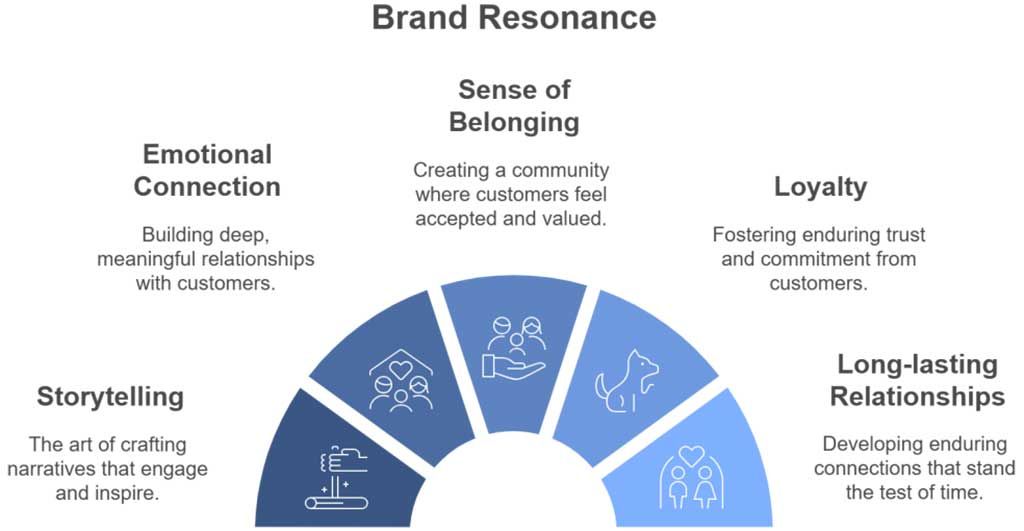
Brand Identity: What Actually Matters Early On
Many new brands spend too much time obsessing over logos, packaging, or aesthetics before validating the actual product.
Visual identity matters. Clear positioning matters more.
Customers connect with a product that solves a problem or represents a strong point of view, not elaborate branding. Visual identities can evolve over time. Product quality, communication, and customer experience are much harder to fix later.
Storytelling plays a major role in fashion branding. Consumers increasingly want emotional connection and authenticity from brands. Modern fashion consumers are increasingly drawn to brands that combine cultural relevance, emotional resonance, and transparency.
Many emerging brands build identity through specific aesthetics or communities—luxury minimalism, sustainability, digital fashion culture, or Gen Z-driven aesthetics. The strongest brands create consistency between their products, visuals, messaging, and audience expectations.
One of the most common mistakes: investing heavily in branding before proving there’s demand for the product. A polished logo can’t compensate for weak product-market fit.
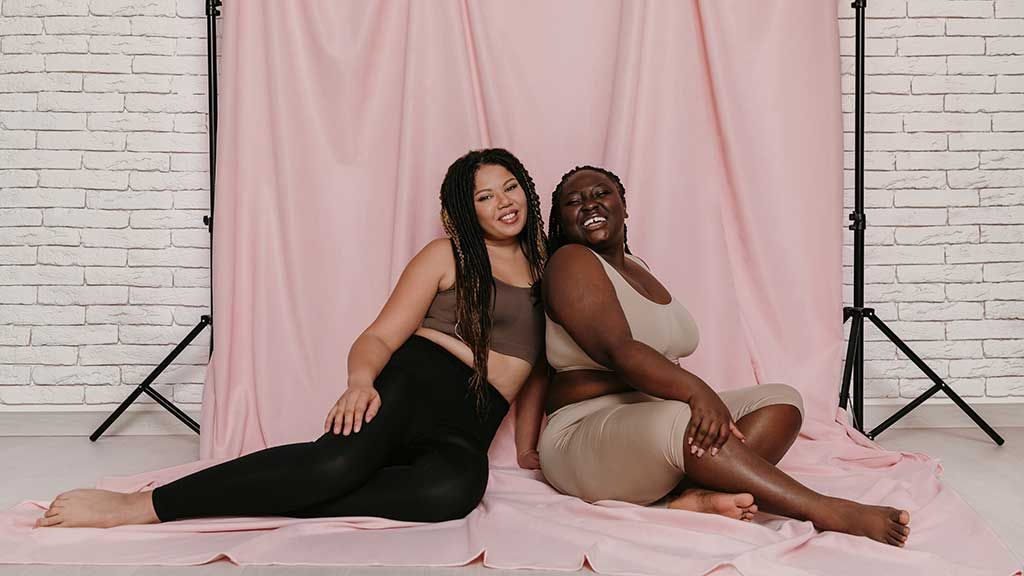
Building an Audience Without Losing Focus
Social media has changed the fashion industry completely. TikTok and Instagram allow smaller brands to build visibility without relying on traditional fashion gatekeepers—magazine editors, retail buyers, and fashion week invitations.
But building an audience takes more than pretty pictures. Audiences connect most strongly with authenticity, transparency, and consistency.
Behind-the-scenes content often performs well because it allows consumers to feel emotionally connected to the process. Showing sourcing trips, sampling, fittings, packaging orders, and product development builds trust and creates stronger community engagement.
Consistency matters more than virality. Many brands focus too heavily on chasing trends or algorithms instead of building long-term customer relationships. A brand with a smaller but loyal audience will often outperform a brand with large follower counts but low customer retention.
Don’t confuse followers with customers. Social media attention does not automatically translate into sales. A successful fashion business focuses on community building, not endlessly producing content for short-term engagement.
The Future Belongs to Prepared Founders
Starting a fashion brand isn’t glamorous— it is operational. The founders who succeed treat it like a business from day one: realistic budgets, strong communication, organized production systems, and patience with the process.
Creativity matters. Structure matters more. The product matters, but the system behind it matters most.
The future of independent fashion brands will likely belong to founders who are adaptable, transparent, and deeply connected to their audience. The process is difficult. But modern technology and digital platforms have also created more opportunities than ever before for emerging creatives to build meaningful brands on their own terms.
Long-term success in fashion often comes from founders who understand why they are building the brand in the first place. Clear goals, strong purpose, and realistic expectations help founders stay committed through the challenges of launching and growing a business.
“Define ‘what success looks like to you’ then go out there and make it happen.” ~ Andrew Drigola
Ready to find the right supplier? Fashion Index’s supplier directory connects brands with fashion manufacturing partners aligned with their product category, production needs, and sourcing goals.
Frequently Asked Questions
How long does it take to start a fashion brand?
Most brands spend 12 to 18 months developing a product before going to market, accounting for sampling, sourcing, revisions, and manufacturing.
How much does it cost to make a fashion sample?
Sample development typically ranges from $500 to several thousand dollars per style, depending on complexity, materials, and the number of revisions required.
How many sampling rounds does it usually take to approve a design?
Most brands go through two to four rounds of counter sample revisions before a final product is approved.
What is a tech pack and why does my brand need one?
A tech pack is a specification document that communicates design details, measurements, materials, and construction instructions to a manufacturer. Without one, miscommunication during sampling and production is nearly guaranteed.
Should I manufacture domestically or overseas?
Domestic manufacturing typically offers stronger communication and faster revisions, while overseas manufacturing can lower production costs but adds longer timelines and logistical complexity.
How long do fabric lead times take?
Fabric lead times range from 1 to 12+ weeks depending on whether the material is in stock or needs to be produced.
-
In-stock fabrics: 1–2 weeks. Ready-to-ship from a supplier's warehouse.
-
Greige or mill-stock fabrics: 4–8 weeks. Standard materials that require dyeing, finishing, or minimum yardage orders from the mill.
-
Custom fabrics: 8–12+ weeks. Custom colors, prints, or specialty weaves or knits require development time, lab dips, strike-offs, and mill scheduling.
Pro Tip: Confirm fabric availability before finalizing your timeline. A "standard" fabric that's out of stock can add 4–6 weeks you didn't plan for.
What's one thing you wish you knew before starting your brand? Coaches and consultants, what is one piece of advice you give all your clients?
Related Articles:
Getting Started
For readers in the early planning stages:
I have a great idea for a fashion product – how do I start?
Essential Tips for Small Fashion Business Success
Go from Fashion Influencer to Fashion Entrepreneur using Fashion Index
What Is Adaptive Fashion? A Complete Guide to Inclusive Design
Apparelmark: Turning Fashion Ideas into Market-Ready Brands with Full-Service Design
On-Demand vs. Batch Manufacturing
Before You Source
For readers preparing to contact suppliers:
Are You Ready to Get a Sample Made?
11 Common Mistakes in Starting a Fashion Business
Lowering Costs For Start-Up Fashion Brands
How to Write a Sourcing Inquiry That Gets a Response
Understanding Knit Fabric Series
How to Start a Fashion Brand: An Essential Guide
Technical Knowledge
For readers building their production fluency:
A Beginner's Guide to Stitch Types
Thread Characteristics: From Fibers to Finishes
Plant-Based Leather Alternatives
Comments
Loading comments…