✦The Sourcing Brief spotlight to 218k+ subscribers
Fashion as Communication: The Non-Verbal World of Self-Expression
Most people think of getting dressed as routine. Functional. Something you do every day without much reflection. But the reality is, you walk into a room—a meeting, a party, a coffee shop—and before you say a single word, people have already formed a perception of you. Not because they’re judgmental. Because that’s how humans work. We read visuals first.
If you had to describe your style in three words, what would they be? Now, describe what you’re wearing in three words. Do they match?
For many, an outfit is a form of self-expression. It’s the first sentence in the non-verbal communication we have with the world. Whether you wrote that outfit choice carefully or threw it together half-asleep, it’s being read.
Clothing Is a Language
Your outfit isn’t just fabric—we understand fashion as communication instinctively—we just rarely stop to think about it consciously.
Fashion as communication is the idea that clothing conveys information about identity, mood, and intent before a person speaks.
People stand in front of a painting and ask—What does it mean? What is it trying to say? But no one asks those questions when someone walks into a room wearing the outfit they chose that day.
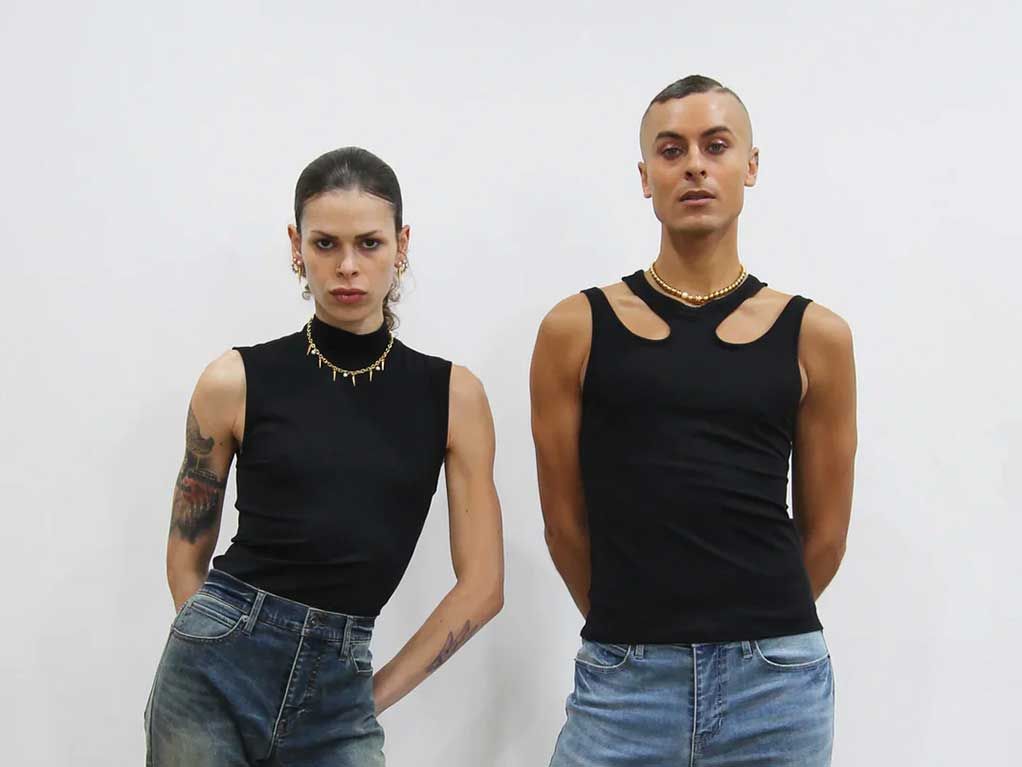
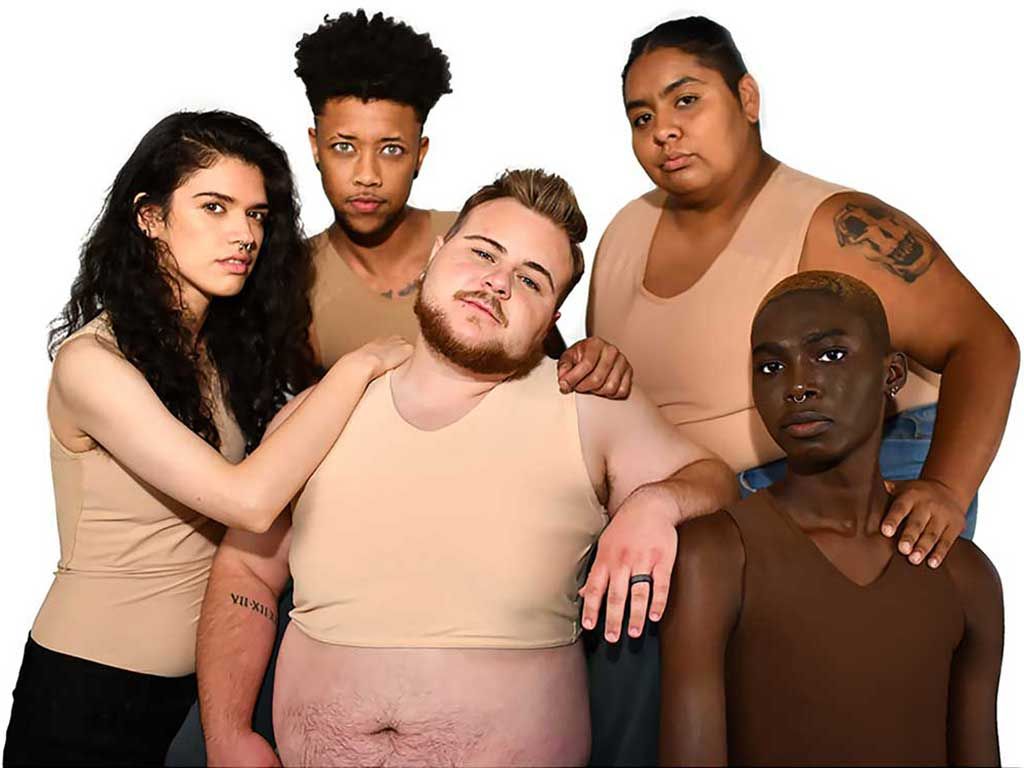
Getting dressed is still a process of selection, for example, choosing one silhouette over another, picking that color instead of something louder or quieter, or even deciding the level of effort—or lack of it. Even when it feels automatic, those decisions are shaped by habit, taste, comfort, or avoidance. And all of these choices communicate something about who you are, without you verbally saying anything. Gender-neutral fashion is expanding the language of personal styling.
This is your clothing language in motion.
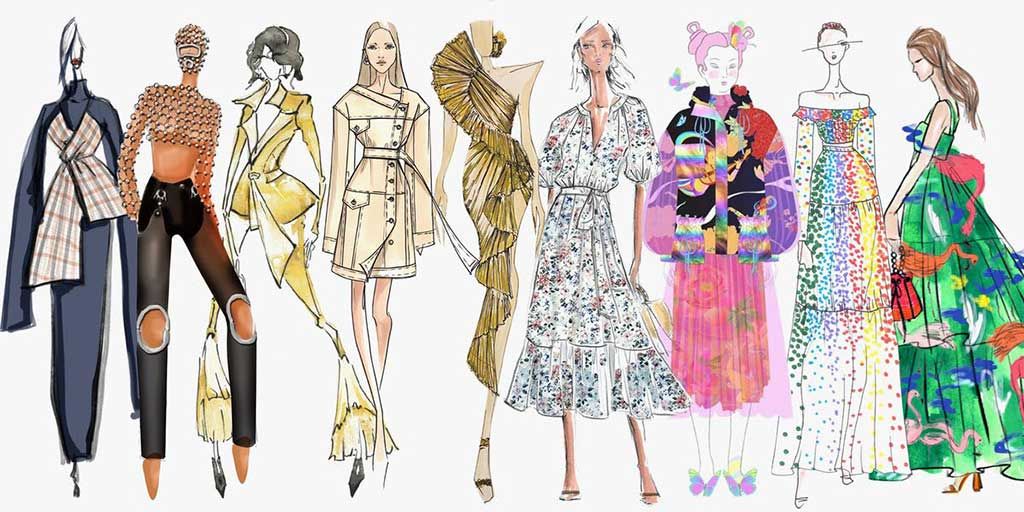
The Signals You’re Sending (Whether You Mean To or Not)
Intent doesn’t control perception.
“I didn’t think about it” is still a message. Depending on context, it might be perceived as ease, confidence, or even disengagement. A “basic” outfit still signals familiarity, repetition, or comfort with blending in. It can suggest reliance on what’s known—or a deliberate rejection of excess.
There is no such thing as a neutral outfit. Only outfits whose signals you haven’t examined.
Steve Jobs, founder of Apple, wore a uniform of a classic Issey Miyake black turtleneck paired with Levi's 501 jeans and New Balance sneakers in almost every public appearance. That look is read as “too focused on other things to think about clothes,” but that is a thought about the clothes.
He chose to make that decision once so he’d never have to make it again, freeing his attention for the work. That uniform said something about who he was, every single time. Sizing and fit shape the way clothing and the wearer is perceived.
Dressing to Be Recognized: The Power of a Signature Style
Some people dress to surprise. Others dress to be recognized. A signature element—something consistent, intentional, and distinctly yours—becomes a visual shortcut for recognition. It’s not just about what you wear once. It’s about what you return to again and again.
A signature style is a consistent, repeated element in someone's dress, like a color, silhouette, or accessory, that makes them visually recognizable over time.
It can be as bold as a red lip or as subtle as always choosing gold jewelry over silver. A specific silhouette—oversized blazers, tailored trousers, an ultra-mini hemline. A color palette that threads through every outfit.
Over time, these repeated choices become part of your identity. People begin to associate that detail with you before you even speak.
A signature style doesn’t have to be loud to be effective. Even the way something is worn—shirts half-tucked, sleeves rolled just so, layers slightly undone—becomes recognizable.
These details create consistency in how others perceive you, which feels grounding in a world where trends cycle weekly. By repeating certain elements, you guide the narrative. You give people something to hold onto—a clear, intentional detail that says: this is how I show up.
It’s the same principle brands rely on for consistent identity.
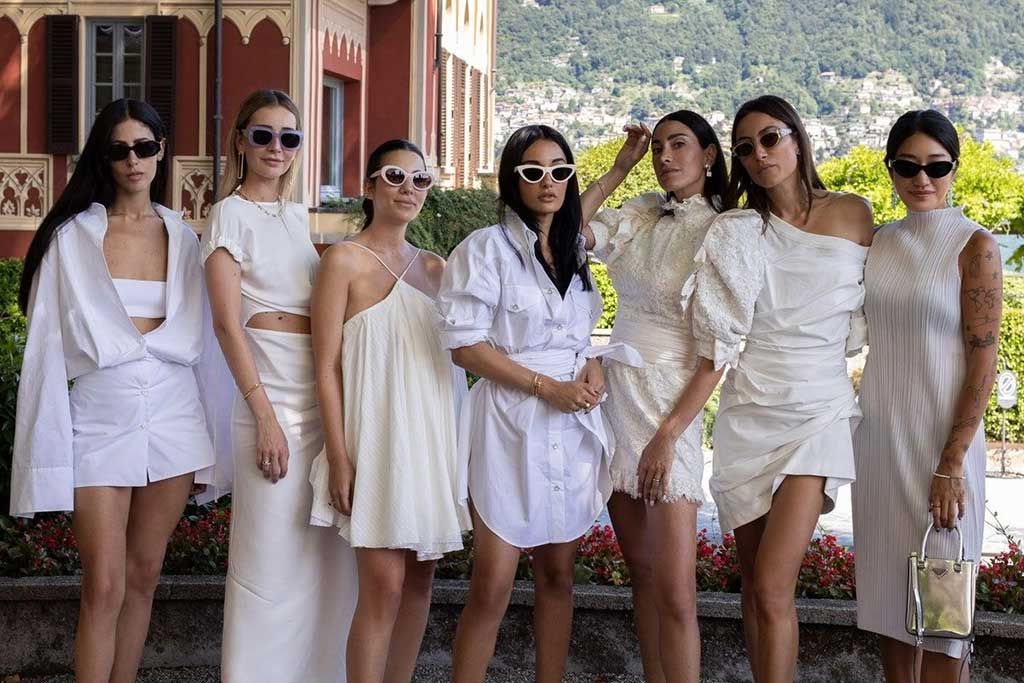
Context Changes Everything
An outfit doesn’t express anything on a hanger. It tells a story when on you, in each place, at a specific time, being interpreted by many people. That’s what makes fashion different from other forms of visual self-expression.
The meaning of an outfit shifts depending on where and when it's worn, even if the garment itself doesn't change.
The same outfit tells a different story depending on where it is worn.
A vintage tweed coat at a gallery opening might be seen as iconic or sustainably conscious; in a country club setting, the same piece signals heritage, wealth, and tradition. A “basic” piece shifts meaning the same way—a white tee at Milan Fashion Week is intentional minimalism, while the same white tee at Target reads as purely functional.
The clothing hasn’t changed. The perception has. That’s why fashion feels so personal. It’s not something you step away from—it’s something you carry.
Breaking the Rules Is Its Own Signal
A look that feels unexpected immediately draws attention, not because it’s wrong, but because it interrupts what the viewer subconsciously expects to see. Even if they don’t realize it, people read outfits by noticing the contrast, registering balance, and picking up on intention—or the lack of it.
Then they fill in the gaps.
Choosing to wear ballet flats with basketball shorts could be a fashion-week style moment or a laundry-day accident. It contrasts. It disrupts expectations. It’s a choice. The difference isn’t the clothing—it’s confidence, context, and consistency.
When it’s intentional—like clashing prints or unexpected pairings—it signals confidence, experimentation, or a clear point of view. It suggests you understand the rules well enough to break them.
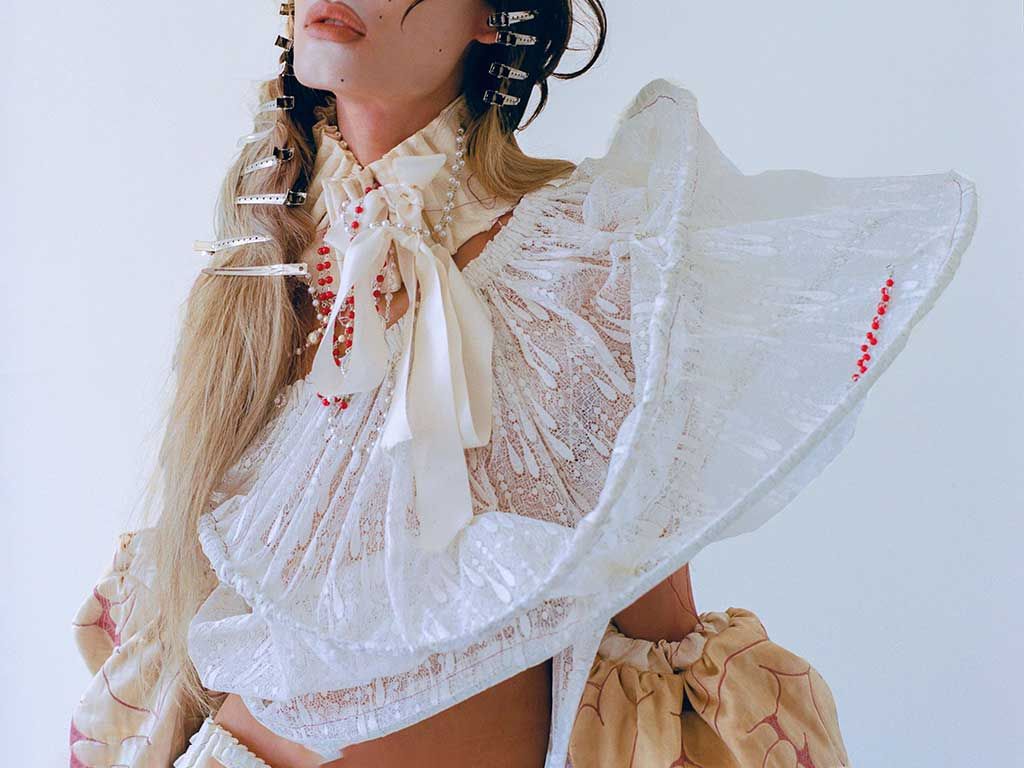
Even small disruptions carry meaning. Chunky sneakers with a hyper-feminine dress can signal resistance to traditional femininity. Heels with ripped denim suggests ease or indifference to dress codes. Over-accessorizing a minimal outfit—or doing the opposite, keeping everything stark and stripped back—both read as deliberate forms of control.
Your choices—whether practical, aesthetic, or even subconscious—become markers of how you see yourself and how you want to be seen. What you wear can function as an invitation, a filter, or a boundary—depending on who’s looking and what you want them to see. Others choose to stand apart.
None of these interpretations are guaranteed to be accurate. But they’re formed quickly and with confidence. Viewers will respond to what’s in front of them.
Try this: Pick one element—a red lip, a signature shoe, or an unexpected pairing—and repeat it three times this week in different outfits. Notice if it changes how people respond to you.
You’re Still Being Read
One of the biggest misconceptions is that only “fashion people” express themselves through clothing. In reality, everyone does. The difference is awareness. Choosing deliberately is a controlled form of that self-expression. Not choosing is an unconscious one.
But both result in something that can be seen, interpreted, and remembered.
What you consistently wear becomes your visual identity—whether you built it intentionally or not. Fashion doesn’t require a platform or a title to function as communication. It happens daily. Quietly. Without announcement.
Like any art form, it reflects taste, suggests intention, and invites interpretation. The difference is that it’s rarely treated with that level of awareness.
You don’t need to explain your outfit for it to be understood—at least partially. The moment you enter a space, people are already making sense of what they see. Not critically. Not even consciously. Just instinctively—like they would with any visual.
So even if you didn’t think about your outfit as expression, identity, or communication, it still functions as all three. You haven’t said anything yet. But something about you has already been observed, interpreted, and given meaning.
FAQ
What does it mean that fashion is a form of communication?
Fashion as communication means clothing conveys information about identity, mood, and intent before a person speaks. Choices like silhouette, color, and level of effort are read by others as signals, whether or not you meant to send them.
How do you develop a signature style?
A signature style comes from repeating a consistent, intentional element across outfits, a color, a silhouette, or a small detail like how sleeves are worn. Over time, that repetition becomes a visual shortcut people associate with you.
Does the same outfit mean something different in different settings?
Yes. The garment doesn't change, but its meaning does. A tweed coat reads as sustainably conscious at a gallery opening and as heritage and tradition at a country club, because context shapes perception, not the clothing itself.
What is the first word your outfit says when you walk into a room? Tell us in the comments.
Related articles:
Y2K Style Icons: What TV’s Favorite Fashion Girls Still Teach Us Today
Bridging Tradition and Fashion: Celebrating Indigenous Artistry and Sustainability
Getting Started
For readers in the early planning stages:
I have a great idea for a fashion product – how do I start?
Essential Tips for Small Fashion Business Success
Go from Fashion Influencer to Fashion Entrepreneur using Fashion Index
What Is Adaptive Fashion? A Complete Guide to Inclusive Design
Apparelmark: Turning Fashion Ideas into Market-Ready Brands with Full-Service Design
Before You Source
For readers preparing to contact suppliers:
Are You Ready to Get a Sample Made?
11 Common Mistakes in Starting a Fashion Business
Lowering Costs For Start-Up Fashion Brands
How to Write a Sourcing Inquiry That Gets a Response
Understanding Knit Fabric Series
How to Start a Fashion Brand: An Essential Guide For Founders
Technical Knowledge
For readers building their production fluency:
A Beginner's Guide to Stitch Types
Thread Characteristics: From Fibers to Finishes
Plant-Based Leather Alternatives
Comments
Loading comments…