✦The Sourcing Brief spotlight to 218k+ subscribers
Are Trends Not Trending? Fashion in the Age of Overchoice
Do trends still hold real meaning?
Fashion fatigue is the consumer exhaustion that results when trend cycles move faster than personal style can adapt.
For decades, trends acted as a cultural shorthand—clear signals of what mattered, what felt current, and what defined a moment. They were directional. Seasonal. Anticipated. Whether driven by runway shows, editorial spreads, or retail buyers, trends created a shared sense of direction across the industry.
That structure has collapsed.
TikTok and Instagram have accelerated fashion to the point where multiple trends exist simultaneously, each competing for attention in an endless scroll. There is no longer a singular “in” or “out.” Everything feels temporarily relevant. Micro-trends emerge, peak, and disappear within weeks, replaced before they’ve had time to register.
The result is a paradox: when everything is trending, nothing feels truly relevant. Instead of guiding personal style, trends blur together. Fashion becomes less about direction and more about noise.
Why the Traditional Trend Cycle No Longer Works
The traditional trend cycle relied on timing and structure. There was space for anticipation, adoption, and decline. That pacing allowed trends to shape not just what people wore, but how they understood their own style identity.
Now, that cycle has collapsed under the weight of constant content and overconsumption.
Trends no longer unfold—they spike. What once lasted months now exists in short, concentrated bursts. A silhouette or color dominates feeds for a moment before being replaced by something nearly identical. This rapid turnover is fueled by an industry producing at an unprecedented scale, paired with algorithms that reward novelty above all else.
When everything is new all the time, nothing feels distinct. Trends stop functioning as markers of cultural relevance and start operating as background noise—visible, but not necessarily influential.
Bridal designer Danielle Frankel understood this instinctively. She made the decision to make a finite number of each gown she produces, no matter their popularity. She retired her coveted Ruby Gown after selling 200 in eighteen months. Her reasoning was direct: once a piece becomes too visible, it loses its sense of individuality. Brides no longer feel like they are making a personal choice—they feel like they are repeating one.
The same dynamic plays out in everyday fashion. The moment an item appears everywhere—across social media, retail sites, and peer groups—it stops feeling desirable. The appeal of a trend is closely tied to its ability to feel both recognizable and personal. When that balance tips too far toward ubiquity, the emotional connection weakens.
Even major retailers are feeling it. Judd Crane, Executive Director of Buying and Brand at Selfridges, describes the current moment in early 2026: “There had been a sort of collective tiredness: tired of the fashion cycle, tired of iterative design. It became hard to find the headspace to appreciate and untangle the creativity that is out there due to this tiresome rhythm.”
Fashion Fatigue: When Too Many Options Become the Problem
The breakdown of the trend cycle is structural, but its impact is experiential. Fashion fatigue shows in how people shop, browse, and get dressed.
The issue is no longer access. It’s excess.
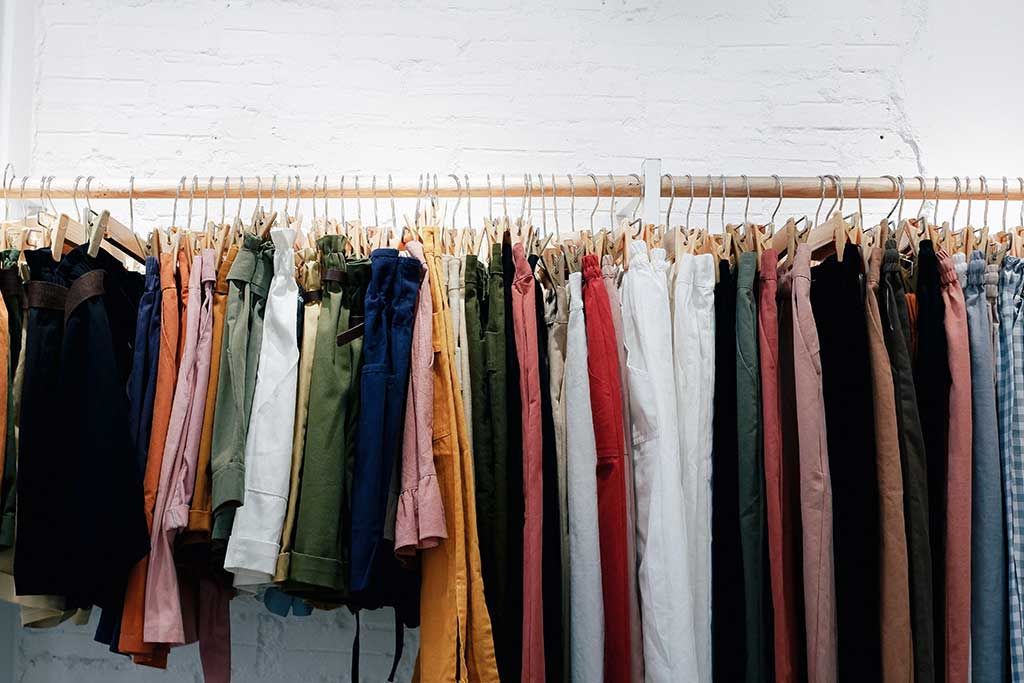
E-commerce platforms offer endless options, yet the experience feels repetitive. Scroll through any major retailer, and the same patterns begin to emerge: similar silhouettes, nearly identical color palettes, and minor variations of the same micro-trend. Despite differences in price or branding, the products blur together.
This is the reality of overchoice: more options, less clarity.
With so many choices, decision-making becomes harder, not easier. The process of discovery—once central to fashion’s appeal—feels diluted. Instead of finding something personal or unexpected, consumers are confronted with iterations of what they’ve already seen.
More choice doesn’t lead to more individuality. In many cases, it has the opposite effect.
When everything aligns with the same set of rapidly circulating trends, personal style becomes harder to define. Fashion starts to feel transactional—less about expression, more about participation.
The question shifts from “What do I like?” to “What am I supposed to like right now?”
Strategic questions for brands: If consumers can’t differentiate your product from competitors, what are you actually offering? Brands chasing every trend disappear into the noise. Brands that know who they are cut through it.
Who Is “On Trend” Really For?
Historically, being “on trend” carried social value. It signaled awareness, relevance, and connection to the broader fashion conversation. But that dynamic is shifting.
Outside of niche online communities, trend adherence is less visible—and less important—than it once was. The pressure to keep up hasn’t disappeared, but it’s increasingly internalized. Algorithms create the illusion of ubiquity by repeatedly surfacing the same content, making certain styles feel more dominant than they actually are.
A micro-trend popular on TikTok appears universal, even when it’s shown to a small subset of users. The repetition creates urgency: this is what people are wearing, this is what matters, this is what you should be paying attention to.
But that pressure originates from the feed, not from real-world interactions.
This raises a more fundamental question: who are we dressing for?
As the line between digital and physical environments blurs, personal style is beginning to detach from trend validation. What you wear doesn’t need to align with a broader consensus to feel intentional. In many cases, it feels more relevant when it doesn’t.
Strategic questions for brands: If your customer is questioning whether trends even matter, what replaces trend-driven marketing? Authenticity, consistency, and value-alignment may be more effective than “what’s new this season.”
Why Aesthetic Labels Are Losing Their Appeal
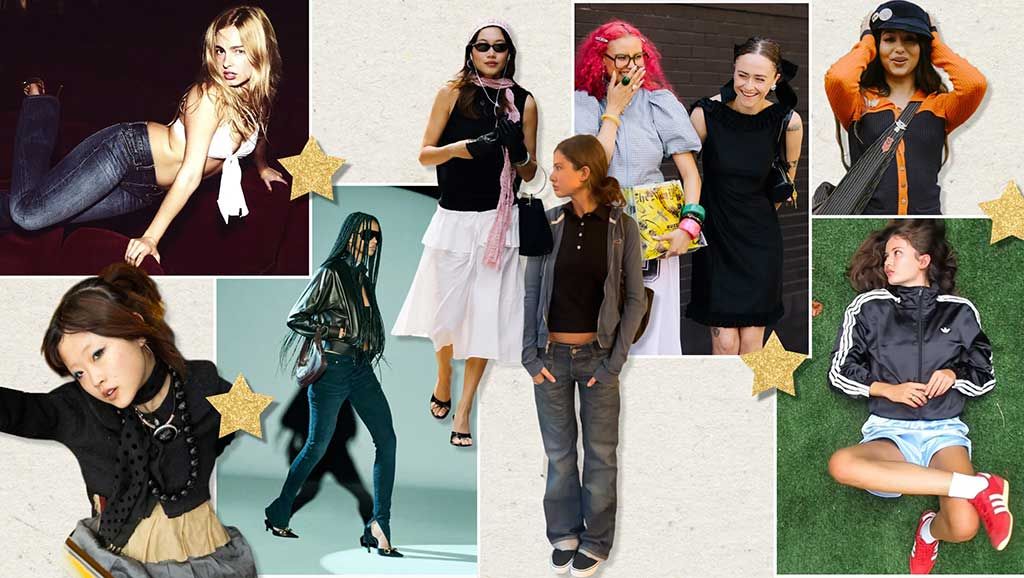
In response to the overwhelming pace of trends, aesthetic labels once offered clarity. Terms like “clean girl,” “coastal grandmother,” or “mob wife” provided recognizable frameworks for personal style. They simplified decision-making and created shared language.
But these labels are beginning to lose their appeal.
What starts as inspiration often becomes prescription. As an aesthetic gains popularity, it becomes more defined—specific pieces, styling choices, and visual cues. Over time, the category narrows. Instead of offering guidance, it imposes boundaries.
The “clean girl” aesthetic is a clear example. Initially positioned as an effortless minimalism, it quickly evolved into a checklist: slicked-back hair, gold jewelry, neutral tones, understated makeup. The more widely it circulated, the more rigid it became. What was once aspirational began to feel repetitive, even restrictive.
Aesthetics now cycle at a pace similar to micro-trends. As soon as a label becomes widely recognized, it risks becoming overexposed. The result is a growing resistance to being defined by a single category.
Personal style doesn’t always fit neatly into a label—and increasingly, people aren’t interested in forcing it to.
Strategic question for brands: If your brand is built around a single aesthetic, what happens when that aesthetic becomes overexposed? Longevity may require a broader identity—one that can evolve without losing recognition.
Fluid Identity and the Future of Personal Style
As trends lose their authority and aesthetics lose their structure, a different approach to personal style is emerging. Less defined. Less consistent. More individual.
Instead of committing to a single aesthetic, people are mixing influences. Dressing based on mood, context, or instinct rather than aligning with a prescribed look. One day may lean minimalist, the next more expressive—closer to dopamine dressing than any fixed aesthetic, where the clothes respond to how someone feels rather than what's trending.
This move toward fluid identity isn’t about rejecting fashion. It’s about reclaiming it.
Personal style becomes less about fitting into a recognizable category and more about reflecting a layered, evolving sense of self. Clothing is no longer just a way to signal belonging; it becomes a tool for exploration.
Strategic question for brands: How do you design for a customer who doesn’t want to be categorized? Versatility, mix-and-match styling, and emotional resonance may matter more than aesthetic cohesion.
To Trend or Not to Trend?
Trends have not disappeared—but their role has changed. They are no longer the primary source of direction. They exist as fragments: visible, occasionally influential, but rarely defining.
At the same time, overchoice has reshaped the consumer experience. More options haven’t led to more clarity. In many cases, they have made fashion feel more complex, more repetitive, and more difficult to navigate.
In response, personal style is becoming more independent. Less reliant on external validation. Less tied to rigid categories. More reflective of individual preference.
Fashion is moving toward less structure—but more authenticity.
In a landscape where everything is available, and everything is “in,” the most meaningful expression of style may simply be choosing what feels right, without needing it to be defined, labeled, or validated by trends.
FAQ:
What is fashion fatigue?
Fashion fatigue is the consumer exhaustion that comes from trend cycles moving faster than personal style can adapt to them. Instead of feeling inspired by new options, shoppers feel overwhelmed by constant turnover and disconnected from what they actually want to wear.
What is trend fatigue, and how is it different from a normal trend cycle?
Trend fatigue happens when trends no longer build anticipation, peak, and decline in a predictable cycle — they spike and disappear within weeks. That collapsed pacing strips trends of their cultural meaning, turning them into background noise rather than signals of relevance.
Why are aesthetic labels like "clean girl" losing their appeal?
Aesthetic labels lose appeal once they shift from offering inspiration to imposing a checklist of required pieces and styling choices. As a label becomes more widely recognized, it narrows rather than guides, which makes it feel restrictive instead of useful.
What is overchoice, and why does having more options make shopping harder?
Overchoice is the experience of having so many similar product options that decision-making becomes harder, not easier. With endless variety, items blur together into minor variations of the same trend, making genuine discovery feel diluted.
How should fashion brands respond to trend fatigue?
Brands can respond by building a consistent identity rather than chasing every trend, since differentiation now matters more than novelty. Authenticity, versatility, and value-alignment are becoming more persuasive to consumers than seasonal "what's new" messaging.
What’s one trend you’ve let go of this year?
Related Articles:
Fashion as Communication: The Non-Verbal World of Self-Expression
Y2K Style Icons: What TV’s Favorite Fashion Girls Still Teach Us Today
Aesthetic Communities Guide: CottageCore, Boho Chic & More
Getting Started
For readers in the early planning stages:
I have a great idea for a fashion product – how do I start?
Essential Tips for Small Fashion Business Success
Go from Fashion Influencer to Fashion Entrepreneur using Fashion Index
What Is Adaptive Fashion? A Complete Guide to Inclusive Design
Apparelmark: Turning Fashion Ideas into Market-Ready Brands with Full-Service Design
Before You Source
For readers preparing to contact suppliers:
Are You Ready to Get a Sample Made?
11 Common Mistakes in Starting a Fashion Business
Lowering Costs For Start-Up Fashion Brands
How to Write a Sourcing Inquiry That Gets a Response
Understanding Knit Fabric Series
How to Start a Fashion Brand: An Essential Guide For Founders
Technical Knowledge
For readers building their production fluency:
A Beginner's Guide to Stitch Types
Thread Characteristics: From Fibers to Finishes
Plant-Based Leather Alternatives
Comments
Loading comments…