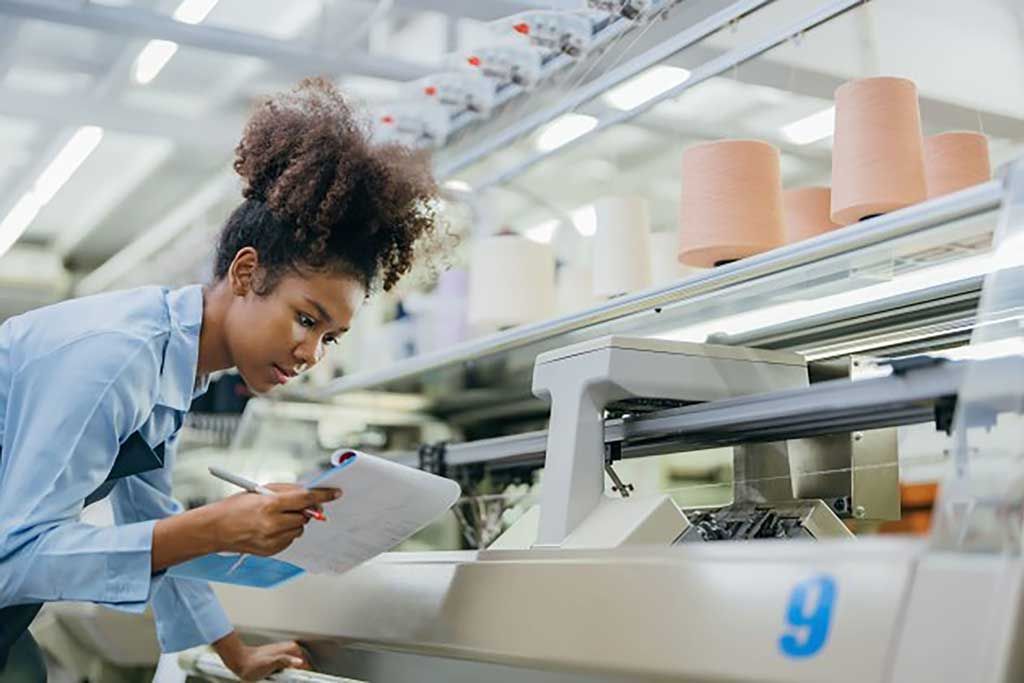
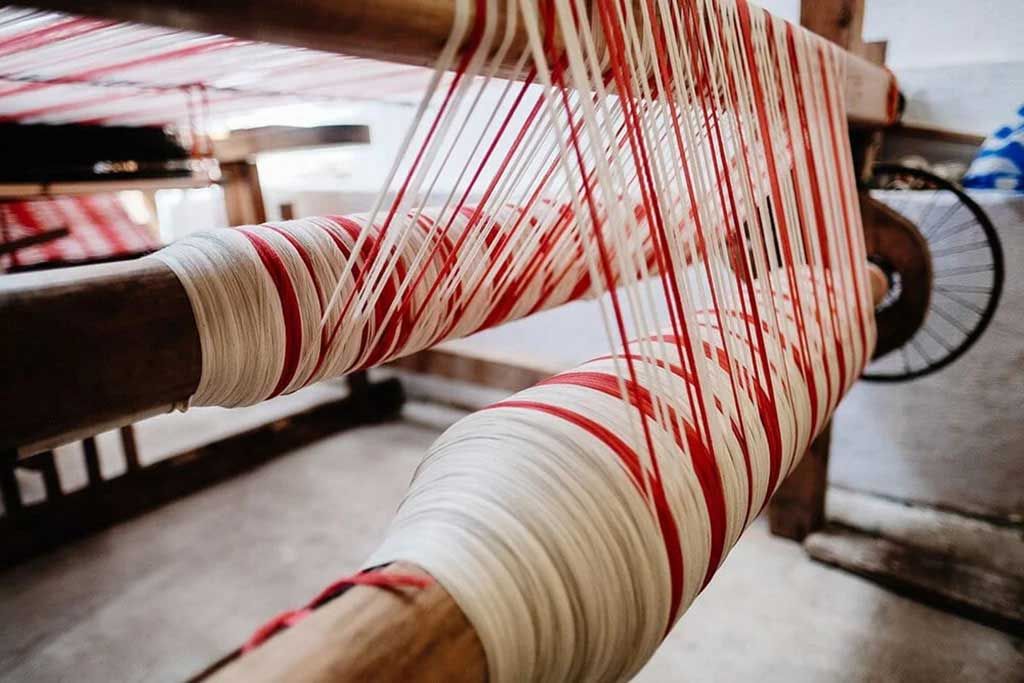
✦The Sourcing Brief spotlight to 218k+ subscribers
How Garment Construction Shapes Product Value: Stitching, Seams, Fabric, and Finishing Explained
Garment quality is shaped long before a product reaches consumers. Fabric selection, garment construction, seam construction, stitching types, and finishing techniques all influence how clothing looks, feels, and performs over time. While branding can affect a customer's first impression, the true value of a garment is determined by the decisions made during product development and manufacturing.
From fashion start-up to established brands, understanding construction quality is essential for creating products that build customer trust and long-term fashion product value. Well-made garments maintain their fit, comfort, and appearance after repeated wear, while poorly constructed pieces are more likely to lose their shape, unravel, or wear out quickly.
Ultimately, fashion quality is determined in the tech pack and on the factory floor, not after a garment reaches the sales floor. Recognizing what goes into high quality clothing helps both brands and consumers understand why premium garments often deliver greater value over time.
How Stitching and Seams Shape Durability
Fabric gets the attention. Seams do the work.
Every seam in a garment serves a purpose. It holds fabric panels together, absorbs stress during movement, and helps determine whether a piece lasts for years or begins to fail after only a few wears. The wrong seam type can shorten a garment's lifespan, while the right one extends it.
A silk blouse doesn’t get sewn the same way as a pair of jeans. Manufacturers choose stitch and seam types based on the fabric, the garment’s purpose, and where stress will hit during wear. Most garments use multiple techniques; one for the side seams, another for the hem, and another for reinforcement at the crotch or underarms.
A French seam takes more time than a standard seam, but it hides the raw edge inside the garment. The interior stays clean, nothing frays, and the construction signals quality before a customer even tries it on. You will find French seams in silk blouses, luxury dresses, and anywhere the inside of the garment might be seen.
Flatlock seams create a smooth, low-profile finish that minimizes bulk and reduces friction against the skin. Because they stretch with the fabric, they are commonly used in athletic leggings, performance tops, and other activewear designed for movement.
Overlock stitching finishes the fabric edge while sewing the seam together in a single step. It prevents fraying, allows flexibility with knit fabrics, and enables manufacturers to produce durable everyday garments efficiently. This stitch is commonly found in T-shirts, sweatshirts, and casual apparel.
Then there is reinforcement. Areas like pockets, belt loops, underarms, and crotch seams take more stress than the rest of the garment. Manufacturers reinforce these with bar tacks or double stitching; small details that prevent seams failure down the line.
Pro Tip: Specify seam types in your tech pack. A French seam costs more than an overlock edge, but it signals quality to customers who check inside of a garment.
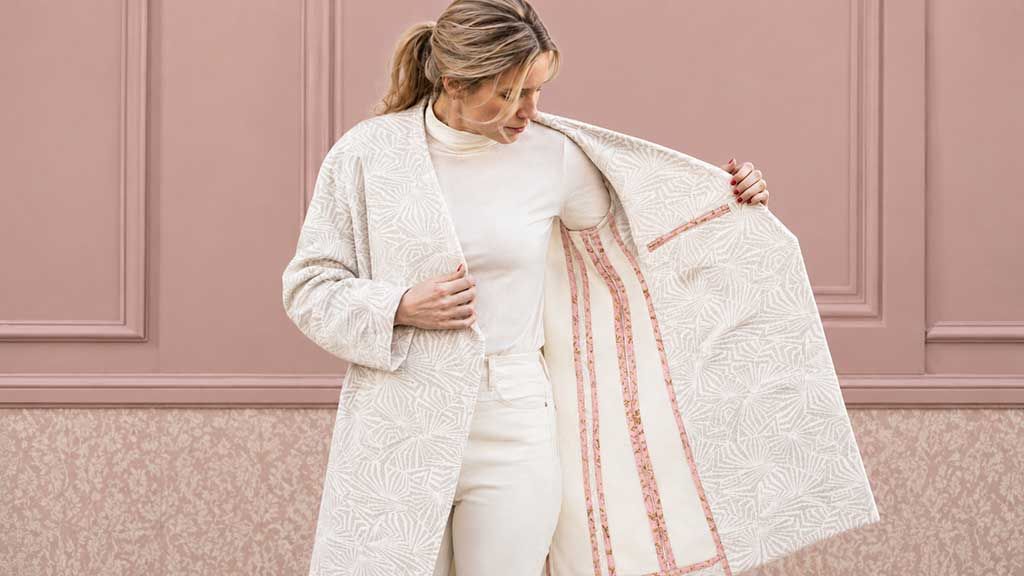
Where Finishing Becomes Visible
While seams provide the structural integrity that holds a garment together, finishing techniques determine how refined the final product appears. Finishing is often where fashion craftsmanship becomes most visible, transforming functional clothing into premium clothing through careful attention to detail.
Many of these finishing details are subtle, but they contribute significantly to a garment's overall quality and longevity. Clean interiors, concealed stitching, and polished edges reflect the precision and skill involved in the manufacturing process. These techniques require additional time and expertise, helping distinguish well-crafted garments from those produced solely for speed and cost efficiency.
Bound seams wrap exposed edges with binding or tape, preventing fraying while creating a polished interior. You’ll find them in unlined jackets, structured outerwear, and tailored pieces where the inside is visible when worn. They take longer to produce, but they look like someone cared.
Invisible hems hide the stitches entirely. Instead of a visible topstitch line, specialized machines or hand sewing conceals the hem inside the garment. The exterior stays clean and uninterrupted. Formal dresses and luxury skirts often use invisible hems because they maintain the garment’s lines without distraction.
Hand-finishing still exists; even in an era of automated manufacturing. Hand-sewn buttonholes, blind stitching, hand attached linings, and delicate embroidery require skilled artisans whose work can’t be replicated by machines. It’s slower, more expensive, and often invisible to the customer. But it is what separates a $200 jacket from a $2,000 one.
Couture finishings refer to the meticulous construction methods traditionally associated with haute couture and luxury apparel. While not every premium garment is couture, many brands incorporate these finishing methods to improve durability, create a more refined appearance, and showcase a higher level of craftsmanship.
These details require more time, more skilled labor, and more sewing operations. They increase production costs. But they also increase durability, comfort, and perceived value.
Most customers won’t consciously notice a bound seam or an invisible hem. But they'll feel the difference. And they’ll remember which brand delivered it.
Fabric Quality & Long-Term Performance
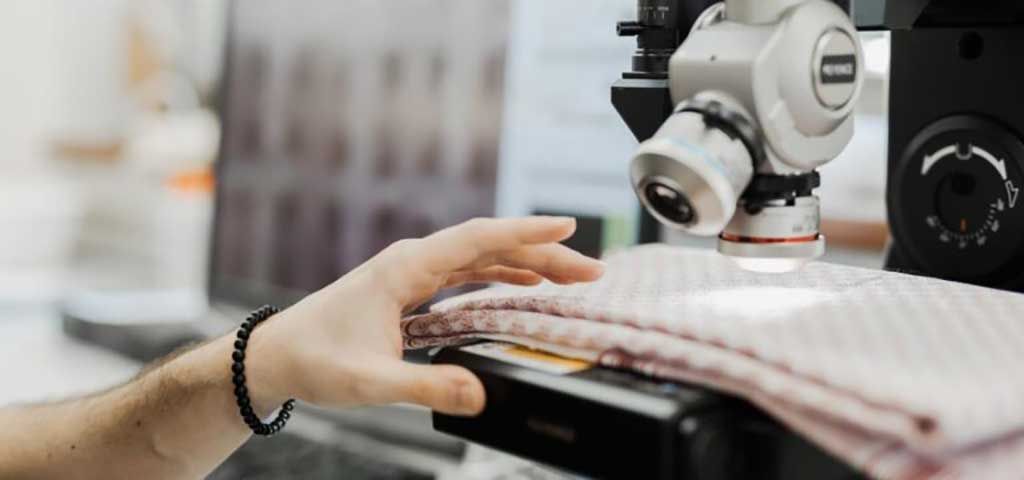
Fabric selection is equally important to overall performance. Fabric quality affects comfort, appearance, durability, and wearability, making it one of the most important decisions in fashion product development. It also influences manufacturing, because materials respond differently to cutting, sewing, pressing, and finishing.
Fiber composition largely determines performance. Natural fibers like cotton, linen, wool, and silk are valued for their breathability, softness, and comfort, while synthetic fibers such as polyester, nylon, and spandex provide durability, stretch, wrinkle resistance, and moisture management. Many manufacturers blend fibers to balance comfort, performance, and longevity.
Manufacturers also evaluate fabric weight and stability. Heavier fabrics provide more structure, while tightly woven fabrics better resist stretching and abrasion. Before production, fabrics are tested for shrinkage, seam strength, and colorfastness.
Although premium clothing often costs more, it provides better long-term value through a lower cost per wear. Garments that maintain their fit, color, and shape require fewer replacements.
Use our Garment Quality Checklist to evaluate fabric, stitching, construction, finishing, fit, and overall workmanship before approving production.
Pro Tip: Request or conduct wash tests during sampling. Fabric that pills or shrinks after three washes will generate returns and damage your reputation faster than any marketing can fix.
Why Premium Garments Cost More
Garment cost is driven by materials and techniques used throughout the manufacturing process. Premium brands invest in stricter production standards, higher-quality fabrics, durable trims, superior hardware, quality interlinings, and skilled craftsmanship. Informed consumers inspect garment purchases for signs of quality even if they don’t understand the details of garment construction. Reputation is built through long-term comfort, consistent fit, clean finishing, and reliable hardware that maintains its appearance over time.
There are also hidden elements that build structure inside tailored garments. Lower-priced apparel typically use fusible interfacing that can bubble, separate, or lose shape over time. Premium tailored garments use woven interfacings, including wool and horsehair canvas, that mold to the body and improve with wear. You won’t see them, but you’ll feel the difference in how a jacket drapes and holds its structure.
Unlike lower-priced brands that skip extensive testing to cut costs, premium garments undergo multiple rounds of sampling, fit revisions, and quality checks before production begins. Elevated finishing techniques and details are then added to enhance durability rather than cut manufacturing corners.
Acceptable Quality Limit (AQL) is a manufacturing threshold based on ISO 2859-1 standards calculated using total order size, units checked, and overall pass/fail rate. Premium brands use a stricter 2.5 AQL standard rather than the typical 4.0 AQL used by mid-tier brands.
Brands that prioritize durability and sustainable construction align directly with shifting market demand. Developing garments engineered to last reduces returns, builds customer loyalty, and reinforces product credibility, while ensuring customer satisfaction.
Pro Tip: Customers may not know construction terms, but they notice when stitching is uneven, buttons fall off, or hems unravel. These details shape perception more than branding.
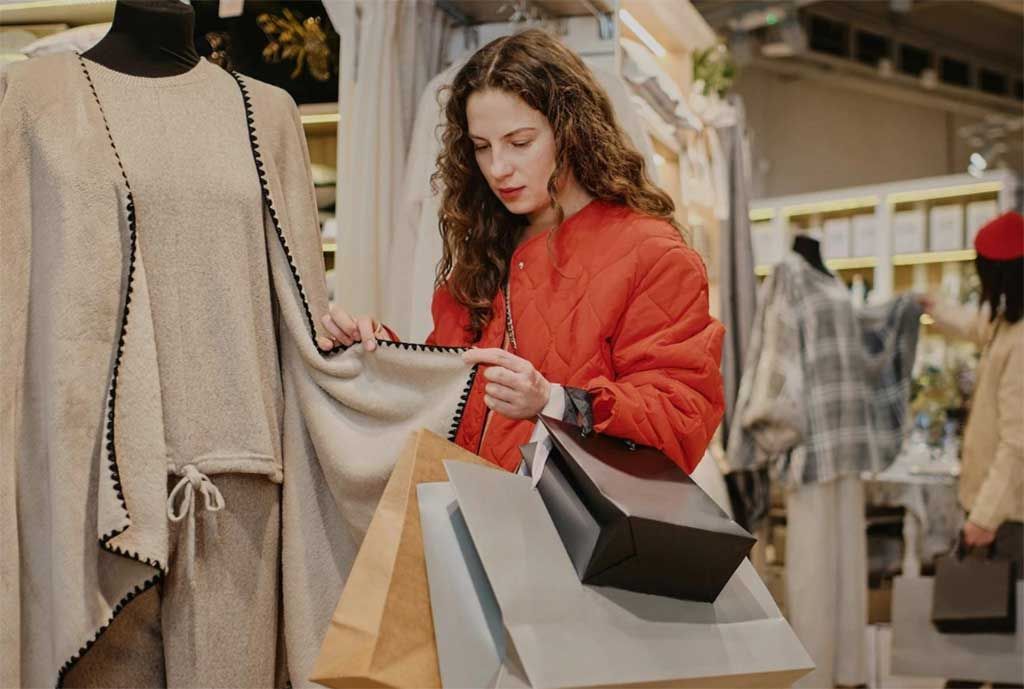
Quality Is Built Into the Garment
Exceptional garment quality isn’t an accident; it is intentionally built through thoughtful garment construction, durable materials, skilled fashion craftsmanship, and precise finishing techniques. Quality is more than a manufacturing standard. It's a competitive advantage.
Garment construction shapes more than durability; it shapes how customers experience, trust, and connect with a brand. When quality is built into every stage of product development, clothing becomes something they value, recommend, and return to.
FAQ
What makes a garment high quality?
Garment quality is shaped by fabric selection, seam construction, stitching type, and finishing techniques. Well-made garments maintain their fit, comfort, and appearance after repeated wear, while poorly constructed garments are more likely to lose their shape, unravel, or wear out quickly.
What is a French seam?
A French seam encloses the raw edge of fabric, encasing the seam-allowance, so nothing frays and the interior stays clean. It takes more time to construct than a standard seam, which is why it's typically found in silk blouses, luxury dresses, and other garments where the inside may be seen.
What is flatlock stitching used for?
Flatlock stitching creates a smooth, low-profile finish that minimizes bulk and reduces friction against the skin. Because it stretches with the fabric, it's commonly used in athletic leggings, performance tops, and other activewear designed for movement.
Why do premium garments cost more than fast fashion?
Premium garments use higher-quality fabrics, durable trims, and skilled craftsmanship, and go through multiple rounds of sampling, fit revisions, and quality testing before production. These added materials, labor, and testing steps increase cost but also increase durability, comfort, and long-term value.
What is an invisible hem?
An invisible hem hides the stitching inside the garment instead of leaving a visible topstitch line, keeping the exterior clean and uninterrupted. It's commonly used in formal dresses, luxury skirts, and trousers where maintaining a clean silhouette matters.
Why do brands test fabric for colorfastness and shrinkage before production?
Testing fabric for colorfastness, shrinkage, and seam strength before production helps catch problems, like pilling or shrinking after a few washes, allowing brands to address issues during development and before starting bulk orders, limiting returns that damage a brand's reputation.
Related Articles
Getting Started
For readers in the early planning stages:
I have a great idea for a fashion product – how do I start?
Go from Fashion Influencer to Fashion Entrepreneur using Fashion Index
Apparelmark: Turning Fashion Ideas into Market-Ready Brands with Full-Service Design
Before You Source
For readers preparing to contact suppliers:
Why Apparel Manufacturing Takes Longer Than You Expect
Are You Ready to Get a Sample Made?
11 Common Mistakes in Starting a Fashion Business
Lowering Costs For Start-Up Fashion Brands
How to Write a Sourcing Inquiry That Gets a Response
Understanding Knit Fabric Series
Technical Knowledge
For readers building their production fluency:
Thread Characteristics: From Fibers to Finishes
Plant-Based Leather Alternatives