✦The Sourcing Brief spotlight to 218k+ subscribers
Brand Fit Explained: How Apparel Brands Define Their Fit Identity
Consumers often associate a great fit with finding the right size, but for apparel brands, fit begins long before a garment reaches the sales floor. Every successful collection is built around a carefully developed “brand fit”, a set of standards that defines how garments are intended to fit a specific customer. These standards influence everything from fabric selection and pattern development to fit testing to product consistency across collections.
Rather than creating garments that fit everyone, brands establish a unique fit identity based on their target customer, product category, and brand positioning. This fit philosophy guides how garments are designed, developed, and evaluated throughout the product development process while ensuring they align with customer expectations and the brand's overall identity.
A well-defined brand fit creates consistency throughout the entire product line, allowing customers to develop confidence in how garments will fit from one purchase to the next. It also provides product development teams with a standardized framework for making design, patternmaking, and technical decisions that support product quality, strengthen brand recognition, and contribute to long-term business success.
Understanding Brand Fit
Brand fit is the foundation of apparel product development. It represents a company's philosophy for how its garments should fit their customers and serves as a consistent standard that guides every stage of the design and development process. While trends, fabrics, and silhouettes may change from season to season, a brand's fit identity should remain recognizable.
Many consumers mistakenly use the terms fit and size interchangeably, but they refer to different concepts. Size indicates a garment's measurements and labeling, such as Small, Medium, or numerical sizing. Fit describes how that garment is intended to sit, move, and feel on the body. Two garments labeled the same size may fit very differently because they were designed with different fit philosophies.
Developing a brand fit begins with defining the target customer. Brands study the lifestyle, age, preferences, and purchasing behaviors of their ideal consumer to understand what type of fit will best meet their needs. Body type assumptions follow. A brand targeting athletic consumers may create garments with more room through the shoulders and thighs. A fashion-forward contemporary brand may prioritize a slimmer silhouette.
Brand positioning also influences fit decisions. Luxury brands often emphasize precise slim fit silhouettes, while casual lifestyle brands may prioritize relaxed comfort and ease of movement. These choices create a consistent identity that customers learn to recognize and trust over time.
Because every design decision is built upon these standards, brand fit becomes the framework that influences pattern development, garment construction, grading, fabric selection, and technical specifications throughout product development.
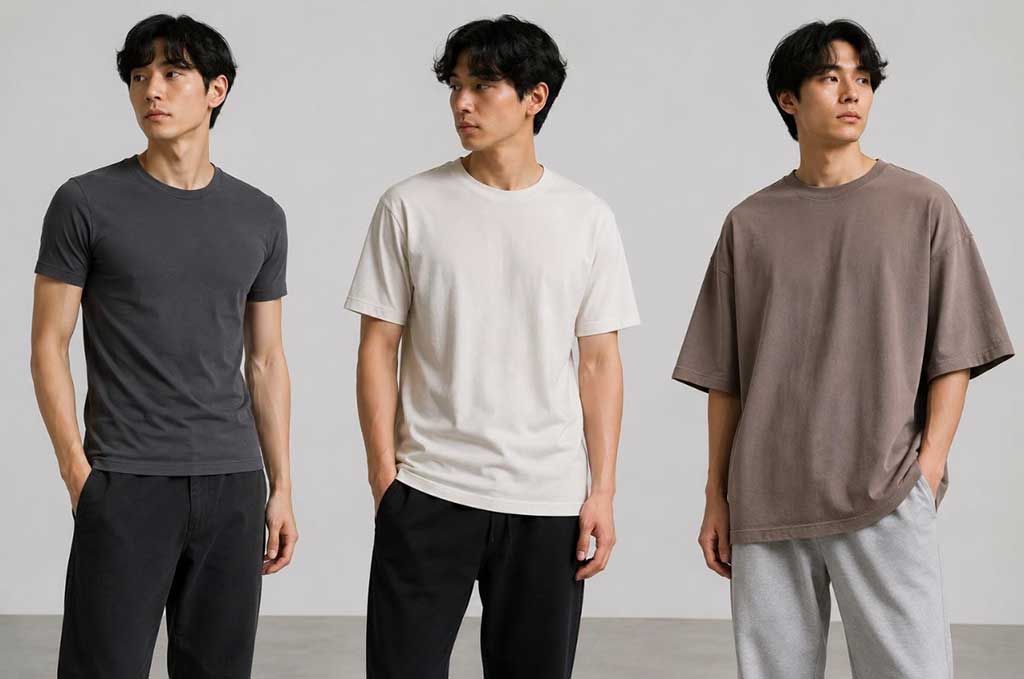
How Brands Make Fit Type Decisions
Once a brand establishes its fit philosophy, fit technicians determine how individual garments should fit within that framework. These decisions balance customer expectations, garment function, and overall brand identity.
One of the most important considerations is selecting the appropriate fit type. Common categories include:
-
Slim: Designed to closely follow the body's natural shape with minimal extra room, creating a clean, streamlined appearance.
-
Regular: Sits comfortable on the body with moderate ease across the body. Neither fitting nor loose.
-
Relaxed: Offers more room across the body than regular fit, with additional ease for comfort and unrestricted movement.
-
Oversized: Cut significantly larger than the body’s measurements as an intentional choice. Drops through the shoulders and adds volume across the body.
-
Athletic: Provides additional room in areas such as the chest, shoulders, or thighs while tapering at the waist to accommodate a muscular build.
Selecting the correct fit type depends largely on the target customer. Brands carefully consider body proportions, movement requirements, brand vibe, and customer expectations. Although no two individuals share identical body measurements, understanding the characteristics of the intended customer allows brands to establish a consistent fit that serves the majority of their market.
Product purpose also plays a significant role in fit development. Garments designed for different activities require different performance characteristics.
For example, activewear typically incorporates stretch fabrics and articulated pattern design to maximize mobility during physical activity. Tailored apparel, such as suits or dress shirts, emphasizes structure, precision, and a refined silhouette. Casualwear generally prioritizes comfort, versatility, and ease of movement for everyday use.
By combining customer research, fit categories, and product purpose, brands develop garments that not only reflect their identity but also perform as customers experience.
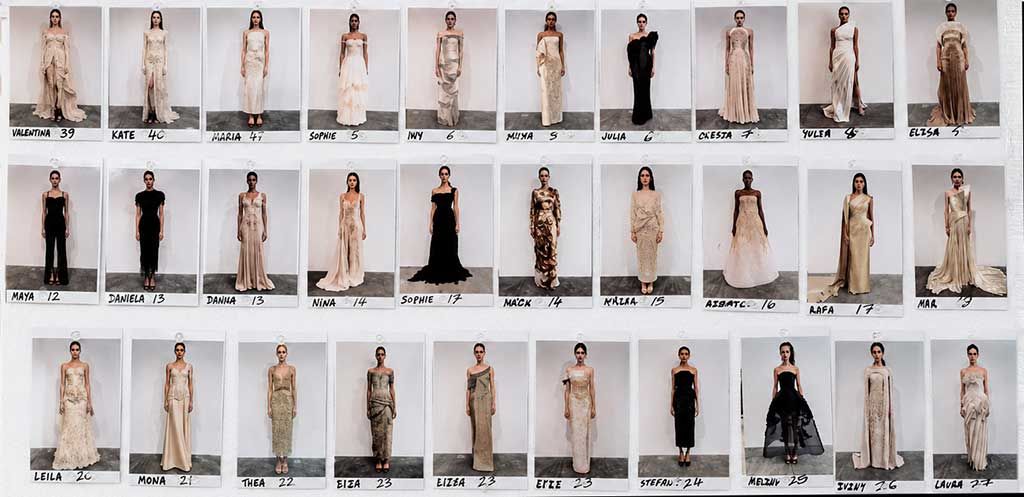
Maintaining a Consistent Brand Fit
Consistency is one of the most valuable aspects of successful apparel brands. Customers return to brands because they trust that garments will fit similarly across different styles and future collections. To achieve this consistency, companies establish standardized fit specifications in their tech packs that define key garment measurements, proportions, ease allowances, and construction requirements.
Likewise, seasonal collections should maintain familiar proportions even as trends evolve. Customers purchasing a favorite pair of jeans or basic T-shirt expect the next version to fit much like the previous one.
Over time, this consistency becomes part of the brand's identity. Customers associate the brand with a predictable fit experience, making purchasing decisions easier and increasing confidence in future purchases. When customers know how a brand's garments fit, they can shop with greater confidence, whether purchasing in-store or online.
Reliable fit also helps reduce returns and exchanges, which remain one of the apparel industry's largest operational challenges. Poor fit is one of the most common reasons consumers return clothing.
Pro Tip: Create a fit guide that documents your base measurements, ease, allowance, and fit intent. This avoids reinterpretations by your team. It keeps technical designers, pattern makers, and factories aligned across styles and seasons.
The Lasting Value of Brand Fit
Brand fit extends far beyond garment sizing. It shapes how products are designed, developed, and evaluated throughout the apparel product development By understanding the target customer, establishing clear fit identity, and applying it consistently across all collections, brands deliver products that customers recognize, trust, and return to.
Successful apparel brands recognize that fit is more than a design decision; it is a long-term business strategy. Investing in consistent fit standards strengthens product quality, improves customer satisfaction, reduces costly fit-related issues, and helps brands establish a recognizable identity in an increasingly competitive marketplace.
Coming Up Next
Learn how brands develop, evaluate, and refine fit using fit models, fit sessions, and technical testing in the second part of this series, How Brands Develop the Perfect Fit: A Step-by-Step Guide.
FAQ
What is the difference between fit and size?
Size refers to a garment's measurements and labeling, such as Small, Medium, or a numerical size. Fit describes how that garment is designed to sit, move, and feel on the body. Two garments in the same size can fit very differently depending on the brand's fit philosophy.
What are the most common apparel fit types?
The most common fit types are slim, regular, relaxed, oversized, and athletic. Each is designed around a specific body type, level of ease, and intended use, from close-fitting silhouettes to garments with extra room for movement.
How do brands keep fit consistent across collections?
Brands maintain consistency through standardized fit specifications in their tech packs, which define measurements, proportions, ease allowances, and construction requirements for every style and size.
Related Articles:
How Brands Develop the Perfect Fit: A Step-by-Step Guide
Size Consistency and Size Grading Explained
Ease, Movement, and Solving Common Garment Fit Problems
Inclusive Fit: Designing for Diverse Body Types
Getting Started
For readers in the early planning stages:
I have a great idea for a fashion product – how do I start?
Essential Tips for Small Fashion Business Success
Go from Fashion Influencer to Fashion Entrepreneur using Fashion Index
What Is Adaptive Fashion? A Complete Guide to Inclusive Design
On-Demand vs. Batch Manufacturing
Before You Source
For readers preparing to contact suppliers:
Why Apparel Manufacturing Takes Longer Than You Expect
Are You Ready to Get a Sample Made?
11 Common Mistakes in Starting a Fashion Business
Lowering Costs For Start-Up Fashion Brands
How to Write a Sourcing Inquiry That Gets a Response
Understanding Knit Fabric Series
How to Start a Fashion Brand: An Essential Guide
Technical Knowledge
For readers building their production fluency:
A Beginner's Guide to Stitch Types
Thread Characteristics: From Fibers to Finishes
Plant-Based Leather Alternatives


Comments
Loading comments…