✦The Sourcing Brief spotlight to 218k+ subscribers
How Brands Develop the Perfect Fit: A Step-by-Step Guide
Every garment begins with a tech pack and proportion specifications, but achieving the intended fit requires far more than selecting a size or creating a pattern. Before a style reaches production, apparel brands follow a structured garment fitting process to determine how a garment looks, feels, and performs on the body. Through technical development, fit sessions, and multiple rounds of refinement, a design is transformed from an initial sample into a production-ready garment.
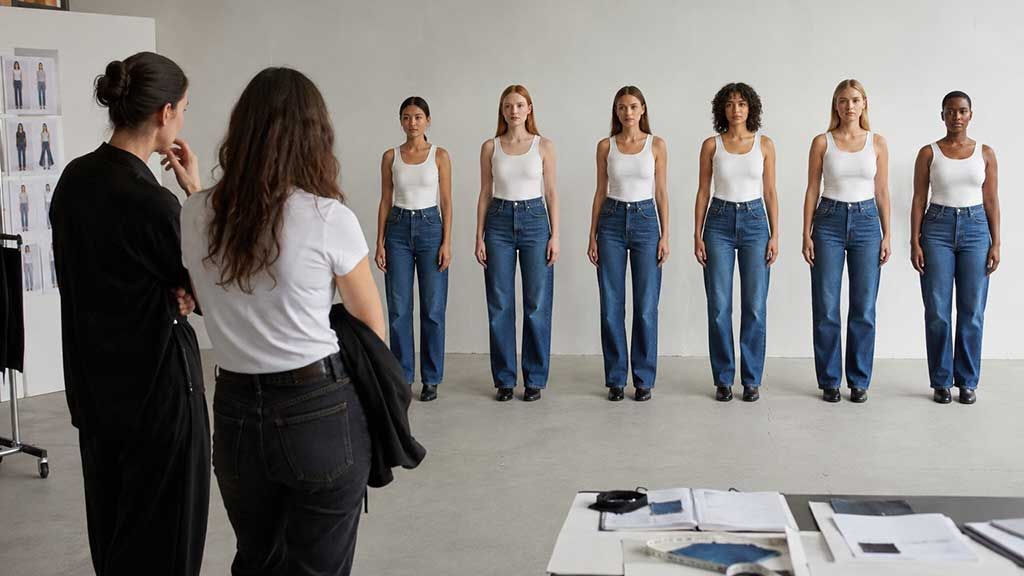
The process begins by establishing the brand’s base size and selecting fit models whose measurements represent the intended customer. From there, teams use foundational patterns, evaluate physical samples, make pattern corrections, and communicate revisions to manufacturers. It’s a collaboration between the designer, the technical designer, the pattern maker, the product developer, and the fit model that carries a garment from initial development through final approval. Successful fit is rarely achieved in a single attempt.
Building the Foundation: Selecting a Base Size
Before a garment can be fitted, a brand must determine the size that will serve as the foundation for development. The base size is used to create patterns, develop samples, conduct fittings, and establish measurements before the garment is graded into additional sizes. A womenswear brand may develop around a size 6, for example, while another may use a size 8 or medium depending on its customer and sizing strategy.
Base size selection is closely connected to the brand’s target customer. Brands consider factors such as body proportions, product category, intended fit, and historical customer data when establishing the measurements their base size should represent. Because sizing standards are not universal across the apparel industry, two brands using the same numerical size may work from different body measurements and proportions.
Measurements are systematically increased or decreased to create the remaining sizes in the range. Maintaining a consistent base size throughout development is therefore essential: changes made at this stage can influence the proportions and fit of every graded size that follows.
Choosing the Right Fit Model
With a base size established, brands need a consistent human reference for evaluating how garments interact with the body. This is the role of the fit model. Unlike runway or editorial models, fit models are selected for their measurements, proportions, and feedback.
Brands require a fit model to remain within specific measurement and physique tolerances for key points of measurement (POM) such as the bust, waist, hips, and inseam, relevant to the product category. Fit models are trained to give specific actionable feedback about tightness, restrictions, comfort, and movement. This kind of feedback can reveal issues that measurements alone cannot identify.
Consistency is particularly important. Frequently switching fit models can introduce different proportions, posture, or body characteristics into the evaluation process, making it harder to determine whether a garment or the fitting reference has changed. Working with the same model allows teams to evaluate samples against a stable physical standard throughout development.
From Fit Model to Fit Block
The fit model provides the human reference, while a fit block provides the technical foundation. Also known as a sloper or block pattern, a fit block is a basic pattern developed around established body measurements and proportions. Rather than representing a finished design, it provides a controlled starting point from which new silhouettes can be developed.
Brands generally maintain multiple blocks instead of relying on one universal template. A knit top, a knit bottom, a woven top, and a woven bottom require their own block, since construction and fabric behavior affect how a garment needs to fit. Stretch knits conform to the body and recover after movement, while non-stretch wovens generally need additional ease for comfort and mobility.
These blocks also translate a brand’s fit identity into measurable proportions. A brand known for fitted silhouettes will establish different block measurements and ease allowances than one built around relaxed or oversized shapes. Designers and technical teams can then modify the appropriate block to create individual styles without rebuilding the garment’s underlying fit from scratch. Once established, these blocks also provide the foundation from which sizes can later be graded.
Inside a Professional Fit Session
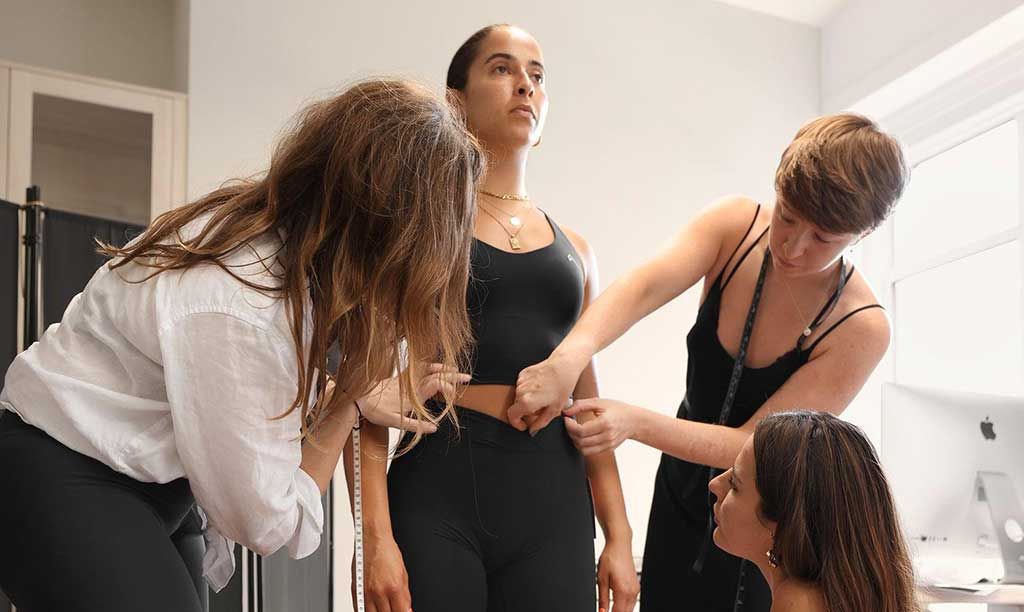
After an initial sample has been produced, the team can evaluate it during a fit session. The goal is to compare the physical garment against the intended measurements, proportions, appearance, and performance while it is worn by the fit model. Samples are typically prepared in advance alongside measurement specifications, previous fit comments, technical sketches, and other relevant development information.
Each team member brings a different perspective. The technical designer typically leads the technical evaluation, checks measurements, and identifies corrections; pattern makers translate those corrections into pattern changes; designers protect the intended silhouette; and product developers coordinate factory execution, with merchandisers weighing in on commercial needs when relevant. The fit model serves as the consistent physical reference, communicating how the garment feels during wear.
During the session, the garment is placed on the model as intended and examined from multiple angles. The team may pin, mark, measure, photograph, or manipulate specific areas to test potential corrections. Observations are recorded throughout the process so that decisions made in the fitting room can later be translated into clear technical instructions.
Evaluating Garment Fit
A garment evaluation goes beyond deciding whether a sample looks too large or too small. Teams examine how the entire garment relates to the body and whether its individual components work together as intended. Overall balance and silhouette are considered alongside specific details such as seam placement, sleeve and pant length, necklines, armholes, and garment symmetry.
Movement is equally important. The fit model may be asked to sit, walk, bend, raise their arms, or perform other movements appropriate to the garment’s intended use. This allows the team to evaluate ease, comfort, and range of motion. A garment can appear correct while standing still but become restrictive or distorted once the wearer moves.
Fabric behavior also provides important visual information. Unexpected pulling, twisting, wrinkling, sagging, or poor drape may indicate that an area requires adjustment. By examining these details collectively rather than individually, the team can determine whether the sample achieves both the intended appearance and functional performance.
Pro Tip: Common issues a model can feel but are easy to miss visually include the shape and balance of armholes on tops and the hook on bottoms.
Correcting Fit Issues
When a problem is identified, the next step is determining what needs to change. Common issues can include excess fabric, tightness, uneven hems, incorrect proportions, restricted movement, twisting seams, or unwanted pulling. The team first identifies the likely source of the issue before deciding on the appropriate pattern corrections.
Corrections may involve adjusting length or width of the garment, repositioning seams, reshaping curves, changing ease, altering darts, or modifying other pattern areas. Because one adjustment can affect another part of the garment, changes must be evaluated within the context of the complete pattern rather than treated as isolated fixes.
For this reason, multiple fitting rounds are common; most brands go through two to four before a fit sample is approved. Each round confirms whether previous corrections worked without introducing new issues. Iteration is a normal part of apparel development, not a sign that the first prototype fell short.
Communicating Fit Revisions to Manufacturers
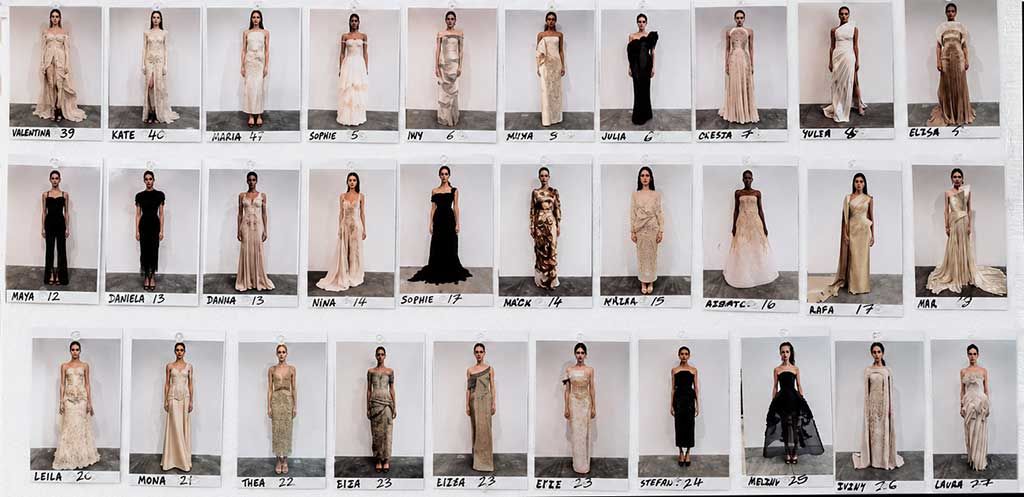
Once fitting decisions have been made, they must be translated into instructions that a manufacturer can execute accurately. Fit comments turn fitting-room observations into actionable directions, revised measurement specifications, and annotated images. Technical sketches show exactly what needs to change, where, and by how much. Instead of noting that an area is “too loose,” a technical designer specifies the precise location and amount to reduce.
The factory then applies the requested revisions to the pattern and next sample. Teams track requested versions and review factory responses to confirm that each comment has been addressed. When questions arise, additional communication or another sample may be necessary before the style can advance. This creates an approval workflow in which changes remain documented and traceable throughout development.
Final Fit Approval
Once the required corrections have been successfully incorporated, the garment moves toward final fit approval. At this stage, the team reviews the final sample against its specifications to confirm that measurements, construction, proportions, and overall appearance reflect the decisions made throughout development.
The finalized measurements and technical guidelines are then passed to the manufacturer as a clear reference for production, reducing the risk that resolved issues reappear at scale. The approved measurements, patterns, blocks, and fit comments become references for future styles, helping brands maintain a consistent fit as designs and seasons change.
From Prototype to Production
Fit development is rarely a one-time effort. Every fitting, correction, and approved measurement adds to a technical foundation the brand can draw upon for future styles, so development becomes faster and more consistent over time rather than starting from zero with each new garment.
The customer sees only the final iteration, never the measurements, corrections, and approval decisions that got there. Collaboration, repeated evaluation, and detailed documentation are what let brands turn an initial prototype into a garment that consistently delivers the fit their customers expect.
Coming Up Next
Continue exploring the garment fit development process in the next article in this series, Size Consistency and Size Grading Explained, which explains how brands maintain size consistency and use size grading to create proportional, reliable fits across a complete size range. You will also learn how measurement specifications, tolerance standards, and grade rules help brands deliver dependable sizing across products and collections.
What fit session words of wisdom do you have for someone just starting out?
FAQ
What is a base size in garment fitting?
The base size is the sample size a brand uses to build patterns, develop samples, and run fit sessions before grading the style into the rest of the size range. Most brands anchor grading to the base size, so any change made at this stage affects every graded size that follows.
What does a fit model do during a fit session?
A fit model wears the garment and gives feedback on tightness, movement, and comfort while the technical team measures and observes the fit. Brands typically work with the same fit model across development so results can be compared against a consistent physical reference.
What is the difference between a fit block and a finished pattern?
A fit block, also called a sloper, is a basic pattern built from a brand's established measurements and proportions, used as a starting point for new styles. A finished pattern is the block after it has been modified into a specific design, ready to be developed into a sample.
How many fitting rounds does a garment typically go through?
Most styles go through two to four fitting rounds before a fit sample is approved. Each round checks whether the previous corrections resolved the issue without introducing new ones, so multiple rounds are a normal part of development rather than a sign of a flawed first sample.
How are fit corrections communicated to a manufacturer?
Fit corrections are documented as fit comments, revised measurement specifications, and annotated technical sketches that state the exact location and amount of each change. The factory applies the revisions to the pattern and next sample, and the brand reviews the response before the style moves forward.
Related Articles:
Brand Fit Explained: How Apparel Brands Define Their Fit Identity
Size Consistency and Size Grading Explained
Ease, Movement, and Solving Common Garment Fit Problems
Inclusive Fit: Designing for Diverse Body Types
Getting Started
For readers in the early planning stages:
I have a great idea for a fashion product – how do I start?
Essential Tips for Small Fashion Business Success
Go from Fashion Influencer to Fashion Entrepreneur using Fashion Index
What Is Adaptive Fashion? A Complete Guide to Inclusive Design
On-Demand vs. Batch Manufacturing
Before You Source
For readers preparing to contact suppliers:
Why Apparel Manufacturing Takes Longer Than You Expect
Are You Ready to Get a Sample Made?
11 Common Mistakes in Starting a Fashion Business
Lowering Costs For Start-Up Fashion Brands
How to Write a Sourcing Inquiry That Gets a Response
Understanding Knit Fabric Series
How to Start a Fashion Brand: An Essential Guide
Technical Knowledge
For readers building their production fluency:
A Beginner's Guide to Stitch Types
Thread Characteristics: From Fibers to Finishes
Plant-Based Leather Alternatives

Comments
Loading comments…