✦The Sourcing Brief spotlight to 218k+ subscribers
How Fabric Finishing Shapes Woven Textile Performance
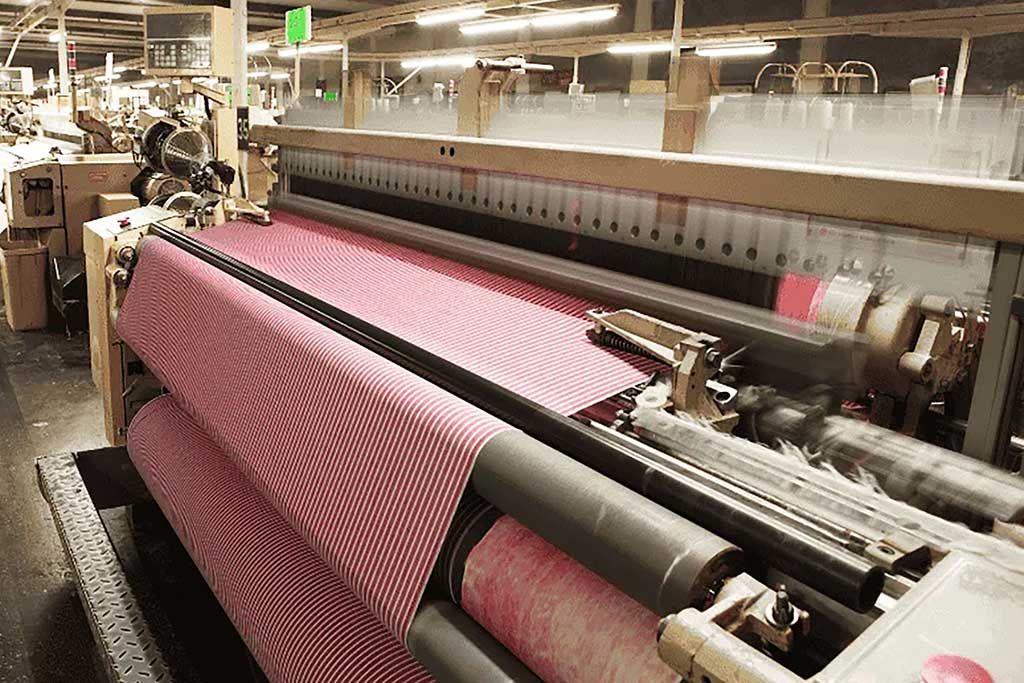
Finishing is what happens after the loom. Mechanical or chemical treatments are applied to modify the fabric’s surface, hand, or performance before it’s ready for production.
A woven fabric’s construction creates its foundation, but the process doesn’t necessarily end once it leaves the loom. Finishing treatments can transform how a fabric looks, feels, moves, and performs, adding qualities that content and construction cannot provide.
Specifications such as weave structure, fiber content, weight, and thread count explain how a fabric is built. Finishing shapes how it behaves in the final garment. Understanding a finish means looking beyond the effect it creates. How is the effect achieved, and what does it require? These questions help brands make more intentional finishing decisions.
Finishing gives manufacturers greater versatility after weaving, allowing them to enhance or modify specific qualities for a particular end use. Different finishing techniques affect softness, drape, appearance, and durability. Some finishes also change performance. These changes influence not only how a garment looks and feels when first purchased, but also how well it holds up over time.
Choosing Finishes With Purpose
Multiple methods can achieve similar results. A softer hand might come from enzyme washing, mechanical brushing, or chemical softeners. Water repellency can be achieved through per- and polyfluoroalkyl substances (PFAS)-free alternative or natural wax finishes. Each approach carries different trade-offs:
-
Environmental impact: water, energy, chemical use, and waste
-
Cost: materials, processing, and equipment
-
Durability: performance through wear and laundering
-
Production requirements: equipment, expertise, and process capabilities
Understanding these trade-offs helps brands choose finishes intentionally rather than defaulting to whatever the supplier offers. The right method depends on the product, the budget, the timeline, and the values behind the brand.
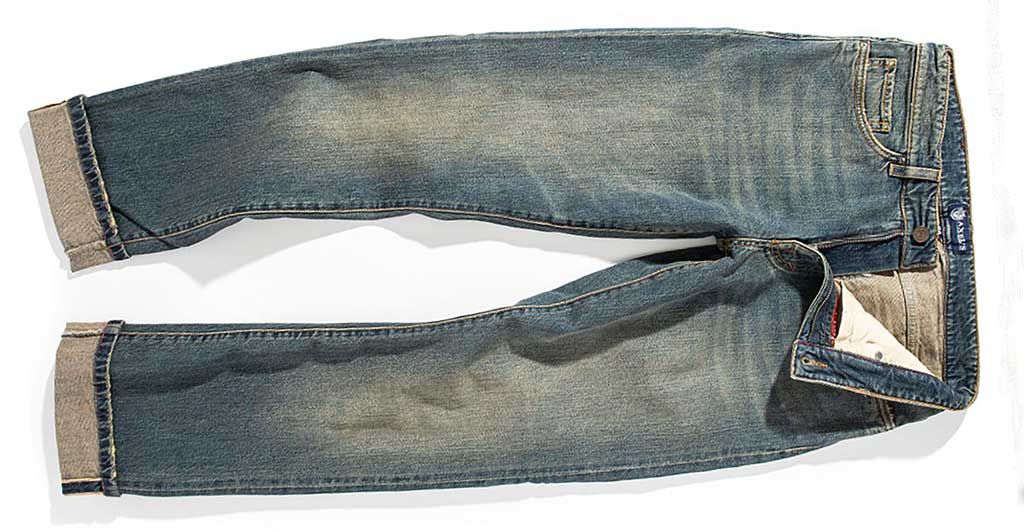
Types of Woven Fabric Finishes
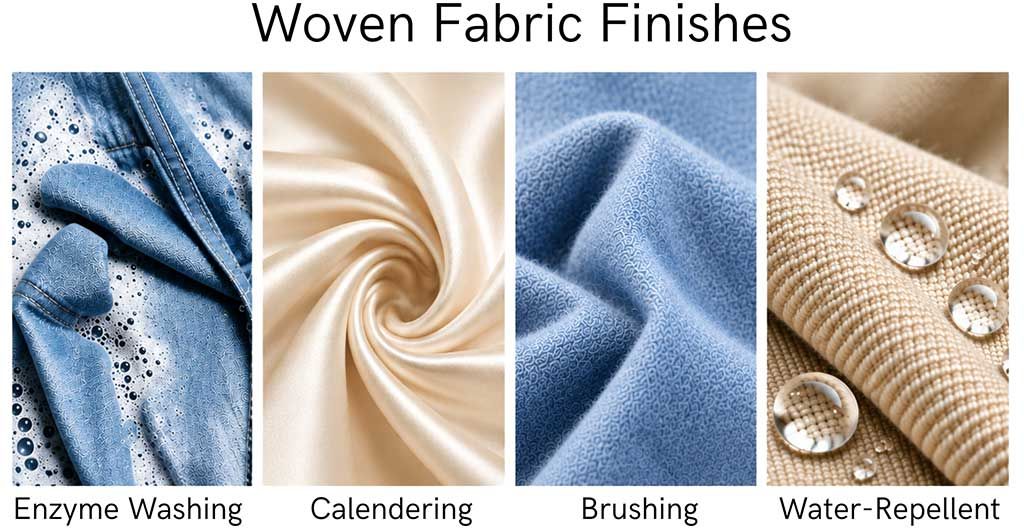
Each finishing method works differently and produces different results. Understanding how each treatment works helps brands identify the right approach for their woven products. Enzyme washing, calendering, brushing, and water repellency are among the most common finishing treatments.
Enzyme Washing: Creating Softness and a Worn-In-Feel
Enzyme washing uses cellulase enzymes to break down small fibers on the surface of the cellulose in natural fibers and viscose fabrics creating a smoother, softer hand, commonly associated with denim and washed cotton.
Removing surface fuzz and reducing fabric stiffness can improve pilling resistance while allowing the fabric to move and drape more easily. However, the process requires careful control. Excessive enzyme treatment can lead to weight and strength loss, reducing durability.
Pro Tip: Cellulase only alters cellulose fibers, so it doesn’t degrade elastic or trims if applied at the garment stage.
Enzyme treatments often work under milder processing conditions than conventional methods. Brands should still evaluate water and energy use, and any additional chemicals required.
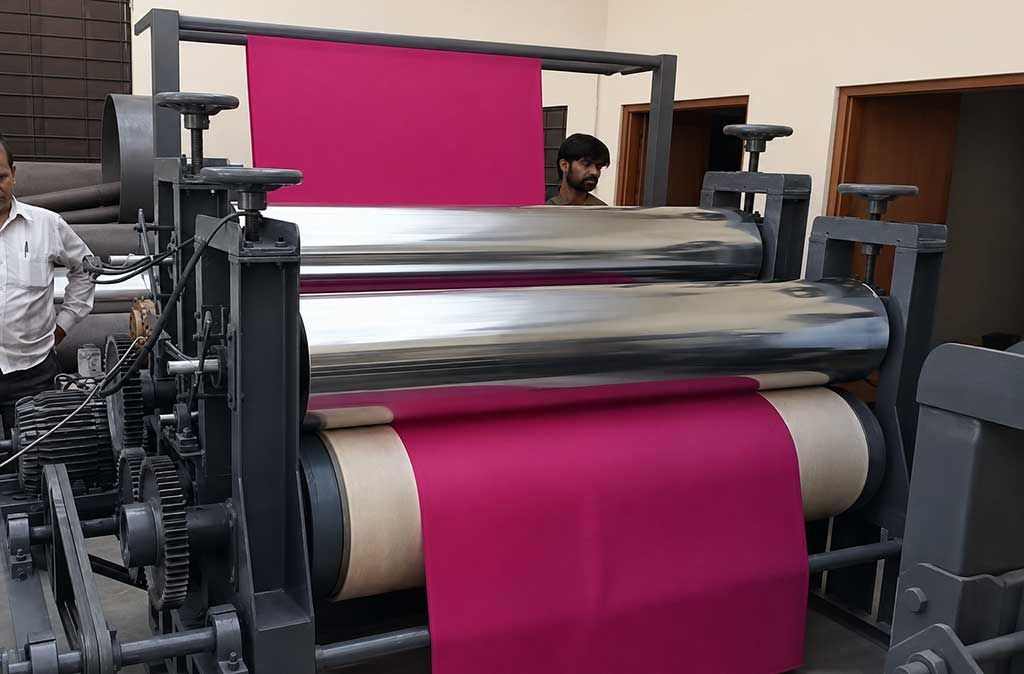
Calendering: Creating a Smoother Surface
Calendering uses compression to create a smoother, more refined surface. The fabric passes between large rollers that apply pressure and, in some cases, heat. Depending on the pressure, temperature, and roller type, the process can add smoothness, luster, or both. For example, calendering may be applied to woven cotton shirting to create the smooth, refined appearance desired in a finished shirt.
Pro Tip: Compression also changes the fabric’s stiffness and hand, affecting how material drapes and moves.
Because calendering is mechanical, it modifies the fabric’s surface without requiring an added chemical finish. However, when heated rollers are used energy consumption becomes a factor worth evaluating.
Brushing: Adding Softness and Texture
Brushing mechanically raises fibers from the fabric’s surface to create a softer, more textured feel. The treatment can be applied to one or both sides and helps trap air within the raised fibers, adding warmth without changing the underlying weave.
Brushed flannel is a common example. The process creates the soft, warm feel associated with the fabric while also influencing its appearance and movement in a finished garment. Results vary depending on the equipment and how the process is controlled. Energy use and fiber shedding are production considerations worth discussing with your mill.
Water Repellency: Adding Functional Performance
Water-repellent finishes add functional performance by helping water bead on the surface rather than immediately being absorbed by the fabric. They can also affect appearance and hand. Water-repellency is different from waterproofing, which offers greater protection against water penetrating through the material.
Water-repellent finishes are common in jackets, outerwear, and performance apparel, where resistance to light moisture is needed. Durability matters: repellency can decrease with wear and repeated laundering, so brands should ask and verify how long the treatment lasts.
Traditional water-repellent finishes often use PFAS, also known as forever chemicals, which raise environmental concerns due to their persistence in the environment. Updated testing methods now detect a broader range of PFAS in textiles, increasing pressure on brands to verify compliance. PFAS-free and non-fluorinated alternatives are increasingly available, though performance and durability vary. Natural waxed finishes offer another approach, particularly for bags, outerwear, and workwear where a natural treatment is preferred.
Selecting the Right Finish
What does this garment need to meet both customer and brand expectations? That question should guide a brand’s finishing decision. A finish should solve a specific product need, by enhancing the fabric or creating new characteristics that meet customer product demand.
Once purpose is clear, brands can evaluate:
-
Softness and Surface Texture: the desired hand and feel
-
Drape: how the fabric hangs for the silhouette
-
Appearance: the visual result
-
Performance: whether it accomplishes its function
-
Durability: how long the effect lasts through wear and care
-
Consistency: evenness across fabric and production lots
-
Care Requirement: how laundering affects the finish over time
Weighing these factors helps avoid unnecessary processing and ensures that the chosen finish provides meaningful value to the final product.
Pro Tip: Ask about water-reclamation, energy-efficient equipment, and chemical use. Fewer processing steps means lower impact.
The Finish Behind The Fabric
By the time fabric leaves the mill, its finish has become part of its identity. The softness of worn-in-denim, the smooth surface of a cotton shirt, the warmth of brushed flannel, or the protection of outerwear may feel inherent, but each is the result of intentional choices.
The question shifts from ‘What can we do?’ to ‘What does this product need?’ The answer depends on the garment, the consumer, and how the fabric needs to perform over time.
With those decisions made, the next step is finding the right production partner who can understand those expectations and deliver them consistently.
Coming Up
Next in the series, Woven Fabric Sourcing explores how to evaluate woven fabric suppliers, request swatches, interpret fabric spec sheets, and communicate your requirements effectively. From initial research to final fabric approval, sourcing is where brands verify that specifications translate to the fabric they actually receive. Getting this right reduces surprises and sets up production for success.
What do you notice first in a fabric, its hand, feel, appearance, or performance?
FAQ
What is fabric finishing?
Fabric finishing refers to mechanical or chemical treatments applied to a woven fabric after it leaves the loom, changing its surface, hand, or performance before it moves into production.
What's the difference between calendering and brushing?
Calendering uses heated or unheated rollers to compress a fabric's surface, creating smoothness or luster. Brushing mechanically raises fibers from the surface instead, creating a softer, more textured feel and trapping air for added warmth.
Does enzyme washing weaken fabric?
Enzyme washing can reduce fabric weight and strength if the cellulase treatment isn't carefully controlled, since the enzymes break down cellulose fibers on the fabric surface. Properly controlled treatment softens the hand without significant strength loss.
Are PFAS-free water-repellent finishes as durable as traditional ones?
Durability varies by product and application. PFAS-free and non-fluorinated alternatives are increasingly available, but performance and longevity under repeated laundering can differ from traditional PFAS-based treatments, so brands should confirm expected durability with their supplier.
How do brands choose the right finish for a garment?
The right finish depends on the product's intended use, not just the desired look or feel. Brands should evaluate softness, drape, appearance, performance, durability, consistency across production lots, and how the finish holds up through laundering.
Related Articles:
Why Woven Construction Matters
Understanding Fabric Weave Structures
Evaluating Woven Fabric Specifications
Getting Started
For readers in the early planning stages:
I have a great idea for a fashion product – how do I start?
Essential Tips for Small Fashion Business Success
Go from Fashion Influencer to Fashion Entrepreneur using Fashion Index
What Is Adaptive Fashion? A Complete Guide to Inclusive Design
On-Demand vs. Batch Manufacturing
Before You Source
For readers preparing to contact suppliers:
Why Apparel Manufacturing Takes Longer Than You Expect
Are You Ready to Get a Sample Made?
11 Common Mistakes in Starting a Fashion Business
Lowering Costs For Start-Up Fashion Brands
How to Write a Sourcing Inquiry That Gets a Response
Understanding Knit Fabric Series
How to Start a Fashion Brand: An Essential Guide
Technical Knowledge
For readers building their production fluency:
A Beginner's Guide to Stitch Types
Thread Characteristics: From Fibers to Finishes
Plant-Based Leather Alternatives


Comments
Loading comments…