✦The Sourcing Brief spotlight to 218k+ subscribers
How To Navigate Woven Fabric Sourcing
Woven fabric sourcing is the process of finding, evaluating, and qualifying a mill that can produce a woven fabric to your specifications at the cost, volume, and compliance level your product requires.
Once a brand knows what a woven fabric needs to deliver, the next step is finding the right mill partner to produce it. Sourcing connects fabric requirements with a supplier that can execute them consistently.
Finding a woven fabric supplier isn’t just about capacity. The right partner needs to align with your ethics, product, its requirements, and production. That means knowing where to prioritize, where there’s room to adjust, and what to validate before committing.
Evaluating Woven Fabric Suppliers
Start with the product, not the supplier. A supplier may work with woven fabrics, but that doesn’t mean they’re equipped for every woven product. The requirements you establish during development help narrow your supplier search. Look for experience, equipment, technical capabilities, location, and production capacity that match your specific requirements.
Pro Tip: If you’re working with a full-package manufacturer who handles production end-to-end, consider using a mill within their network. Outside sources complicate communication and accountability.
Product Experience and Capabilities
A mill that exclusively produces cotton poplin has different capabilities than one specializing in denim, jacquard, canvas, or technical performance wovens.
The level of technical expertise required shapes the supplier search. Standard woven fabrics have a broader supplier base, while technical or performance fabrics require specialized machinery, processes, and know-how. Regions such as Japan and Taiwan, for instance, are known for high-quality textile traditions ranging from heritage artisanal weaves to cutting-edge technical fibers, making location part of the evaluation.
Next, consider what the facility can actually execute. Your brand provides the required fabric specifications. Then the sourcing team asks the mill to confirm which requirements fall within its production capabilities. If a supplier can’t meet one of those requirements, the brand must decide whether it needs another mill or if it is willing to accept alternate fabric specifications.
Capacity matters too. Creating a sample is one thing; maintaining that result across the intended production volume is another. During sourcing, brands should verify that the mill can replicate the fabrication at the volumes needed for bulk.
Production and Business Requirements
Technical capability is only one part of a supplier evaluation. Cost, minimums, and timelines must also support the production plan.
Fabric pricing varies with country of origin, fiber content, construction, finishing, and volume. A basic cotton poplin, for example, may cost $1 - $3 per yard at larger wholesale volumes, while specialized technical fabrics can cost significantly more depending on their performance requirements. This means sourcing is not simply a search for the lowest price. Quotes need to be compared against what each mill is actually providing and whether the fabric meets the required specifications.
Location affects cost. Sourcing a specialized fabric from Japan or Taiwan may provide access to capabilities not found elsewhere, but mill price is only part of the equation. Freight, duties, shipping methods, and transportation time contribute to the total sourcing cost. A higher-priced fabric that is geographically closer to garment manufacturing may end up more competitively priced than a lower-priced fabric with higher transportation costs and longer lead times.
Minimum order quantity (MOQ) can further narrow the supplier pool. Mills establish minimums based on yarn minimums, loom setup, dyeing, finishing, or color requirements. Lead times depend on woven fabric production requirements, including yarn availability, weaving, finishing, testing, and transportation.
Clear communication matters when working with suppliers. A good mill partner is transparent about requirements they can’t meet, proposes alternatives when appropriate, provides accurate quotes and timelines, and documents agreed changes before sampling begins. This allows the brand to compare suppliers based on what each can realistically deliver.
Woven Fabric Development Paths
|
Route |
Customization |
MOQs |
Timeline |
Best when |
|
Stock fabric |
None (fixed specs) |
Lowest |
Fastest |
An existing fabric meets requirements |
|
Greige goods |
Dye and finish |
Low to moderate |
Moderate |
Construction works; color or finish doesn't |
|
Prepared For Dyeing |
Custom color |
Moderate |
Moderate |
You need controlled color development; ideal for garment dyeing |
|
Custom development |
Full |
Highest |
Longest |
No existing fabric meets essential requirements |
Sourcing the right woven fabric requires consideration of the level of customization, MOQs, timeline, and garment requirements.
Choosing a Woven Fabric Starting Point
Fabric research and development adds time and expense, so the required level of customization helps determine the best sourcing route.
Stock Fabric
Suppliers typically have a variety of existing materials called stock fabric. Sourcing from stock is ideal when the available construction and performance closely match product requirements. With stock fabric, brands can move directly into sampling and often encounter lower minimums. The trade-off is that specifications such as fiber content, construction, width, weight, or finish are fixed, so the brand must weigh the pros and cons to determine the best path forward.
Greige Goods
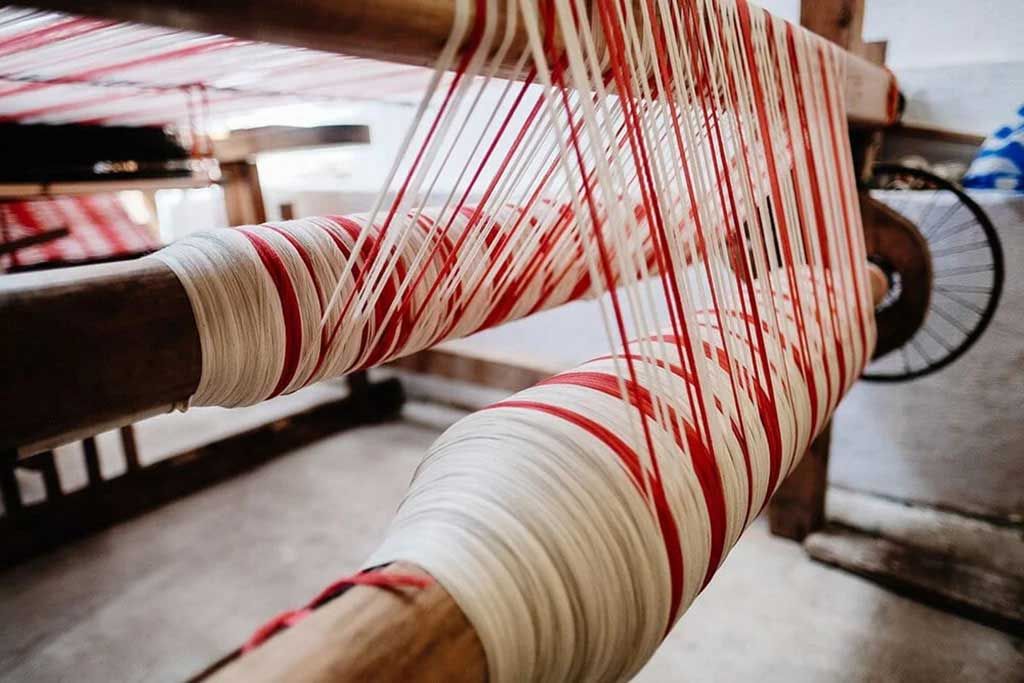
Fabrics that have been woven but not yet dyed or finished are called greige goods. These allow you to specify processing, including dyeing or finishing. Greige provides more flexibility than finished stock without requiring the mill to develop the woven construction.
Prepared For Dyeing
For custom color development, prepared for dyeing (PFD) fabric has been desized, scoured, and bleached to remove sizing agents, oils, and natural impurities that interfere with dye absorption, but no color has been applied.
PFD is commonly specified for garment dyeing, where color is applied after the garment is cut and sewn rather than at the fabric stage. This approach gives brands flexibility to make late-stage color decisions, reduces inventory risk, and achieves a softer, lived-in hand.
It’s also used for custom color development when brands need precise color control over an established fabric construction. Fiber content, pretreatment, and dye compatibility all affect how the material accepts color.
Custom Development
Stock or greige fabrics can’t always meet the product’s essential requirements. In that case, custom development is needed, and sourcing begins with finding a mill that can develop a fabric that meets the requirements. The brand and supplier work from established specifications to create and approve the fabric through sampling and testing before bulk production. Because yarn sourcing, loom setup, development trials, and approvals are needed, custom fabrics generally demand higher MOQs, investment, and development time.
Choosing between these options means deciding where customization adds value. If an existing fabric meets what the product needs, additional development may only add cost and time.
Compliance and Responsible Production
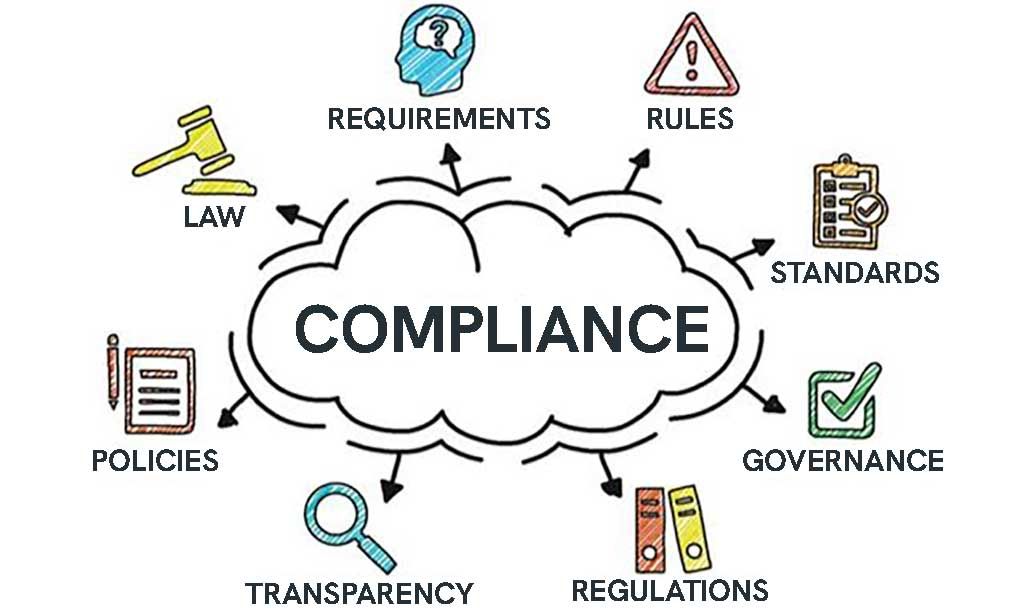
Responsible sourcing depends on what a supplier can verify, not just what they claim.
Certifications provide a starting point. Global Organic Textile Standard (GOTS) certifies organic fiber content and processing across the supply chain, while Global Recycled Standard (GRS) verifies recycled content and chain of custody. OEKO-TEX Standard 100 tests textiles for harmful substances. Performance or chemical finishes may require additional testing or compliance records based on the treatment and intended market.
Material claims require traceability. When you specify organic cotton for your woven fabric, confirm the certification and supporting records apply to the specific material being purchased. This becomes especially important when fibers, yarns, weaving, and finishing move through multiple suppliers or facilities.
Pro Tip: Ask for documentation before you need it. Certifications and compliance records are easier to verify during evaluation than after production begins.
Using Specifications In The Sourcing Process
Not every specification carries the same weight. Brands need to identify which performance standards or defining construction details are non-negotiable and which elements can work within an acceptable tolerance. For example, fabric weight may allow a small tolerance, while performance standards such as water repellency could be essential to the product's function. Setting those boundaries gives the supplier flexibility without losing sight of the intended product.
Rather than automatically accepting a substitution, consider how that change affects the fabric as a whole. A lower-cost fiber, altered construction, or a different finish could improve cost or production efficiency while changing the hand, appearance, durability, or performance.
Specifications can evolve throughout sourcing without losing the product direction. Any approved changes should be deliberate, with trade-offs understood, and the updated requirements documented before moving forward.
Validating Before Production
A supplier may meet the requirements on paper, but the fabric still needs to prove itself. Swatches and sample yardage allow brands to see whether the material translates from specification to a product that works in practice.
Sample yardage allows the development team to cut and sew a prototype. A prototype lets the team evaluate drape and the finish in a way flat yardage can’t.
From there, validation should reflect the end use. Depending on the product, in-house testing may involve durability, colorfastness, wash testing, or other performance standards. Custom colors may require approval, and you should verify certifications and material claims before bulk production.
Pro Tip: Request sample yardage, not just swatches. A swatch shows surface characteristics; yardage reveals how the fabric behaves during cutting, sewing, and finishing.
Where The Product Takes Shape
The most important product decisions happen after the initial idea is already on the table. Sourcing introduces new information and possibilities your brand may not have considered at the start.
A supplier may bring forward an approach or solution that was never part of the original plan. The value comes from knowing what is worth exploring. Some discoveries simply make an idea easier to produce; others can improve the way the final product looks, feels, performs, or is made.
Brands should source with intention, but also with an open mind. Leaving space for the unexpected can turn sourcing from a search for what already exists into an opportunity to discover what the product could become.
Coming Up
Next, we will look at woven fabric innovation and the technologies moving from development into commercial use. From bio-based fibers and advanced weaving methods to smarter finishes, traceability, and AI-assisted development. We’ll look at where innovation is creating new possibilities for woven products and what that means for the industry.
What matters most to you when choosing where a product comes from?
FAQ
What is the difference between stock fabric and custom woven fabric?
Stock fabric is currently physically available for purchase from a mill, with fixed fiber content, construction, width, weight, and finish. Custom woven fabric is developed to a brand's specifications, which may include yarn sourcing, loom setup, trials, and approvals, so it typically requires higher minimums, more investment, and more time.
What are greige goods?
Greige goods are woven fabrics taken off the loom before dyeing or finishing. Brands buy greige when they want to specify their own color or finish while keeping an established woven construction.
What does PFD mean in fabric sourcing?
PFD stands for prepared for dyeing. The fabric has been desized, scoured, and usually bleached to remove sizing agents, oils, and impurities, but it has not been dyed, so it is ready for custom color development.
Why do woven fabric mills have minimum order quantities?
Mills set minimum order quantities to cover the fixed costs of yarn purchases, loom setup, run time, dyeing, and finishing. Minimums are usually lowest for stock fabric and highest for custom developments.
Should I request swatches or sample yardage?
Start with a swatch. It will show surface, color, and hand. If you like what you see in swatch form, request sample yardage. It will let your team cut and sew a prototype to see how the fabric drapes, sews, and responds to finishing and testing.
What certifications should I ask a woven fabric supplier for?
Common requests include GOTS for organic fiber claims, GRS for recycled content, and OEKO-TEX STANDARD 100 for harmful substance testing. Confirm that each certificate covers the specific material and facility you are buying from.
Related Articles:
Why Woven Construction Matters
Understanding Fabric Weave Structure
Evaluating Woven Fabric Specifications
How Fabric Finishing Shapes Woven Textile Performance
How To Navigate Woven Fabric Sourcing
Getting Started
For readers in the early planning stages:
I have a great idea for a fashion product – how do I start?
Essential Tips for Small Fashion Business Success
Go from Fashion Influencer to Fashion Entrepreneur using Fashion Index
What Is Adaptive Fashion? A Complete Guide to Inclusive Design
On-Demand vs. Batch Manufacturing
Before You Source
For readers preparing to contact suppliers:
Why Apparel Manufacturing Takes Longer Than You Expect
Are You Ready to Get a Sample Made?
11 Common Mistakes in Starting a Fashion Business
Lowering Costs For Start-Up Fashion Brands
How to Write a Sourcing Inquiry That Gets a Response
Understanding Knit Fabric Series
How to Start a Fashion Brand: An Essential Guide
Technical Knowledge
For readers building their production fluency:
A Beginner's Guide to Stitch Types
Thread Characteristics: From Fibers to Finishes
Plant-Based Leather Alternatives

Comments
Loading comments…